Africa is a continent known for its rich history, diverse cultures, and breathtaking landscapes. However, it is also often associated with issues of corruption and the influence of religious power. These challenges have deep roots in the continent's complex history and have significant implications for its development and governance.
Category : | Sub Category : Posted on 2024-10-05 22:25:23
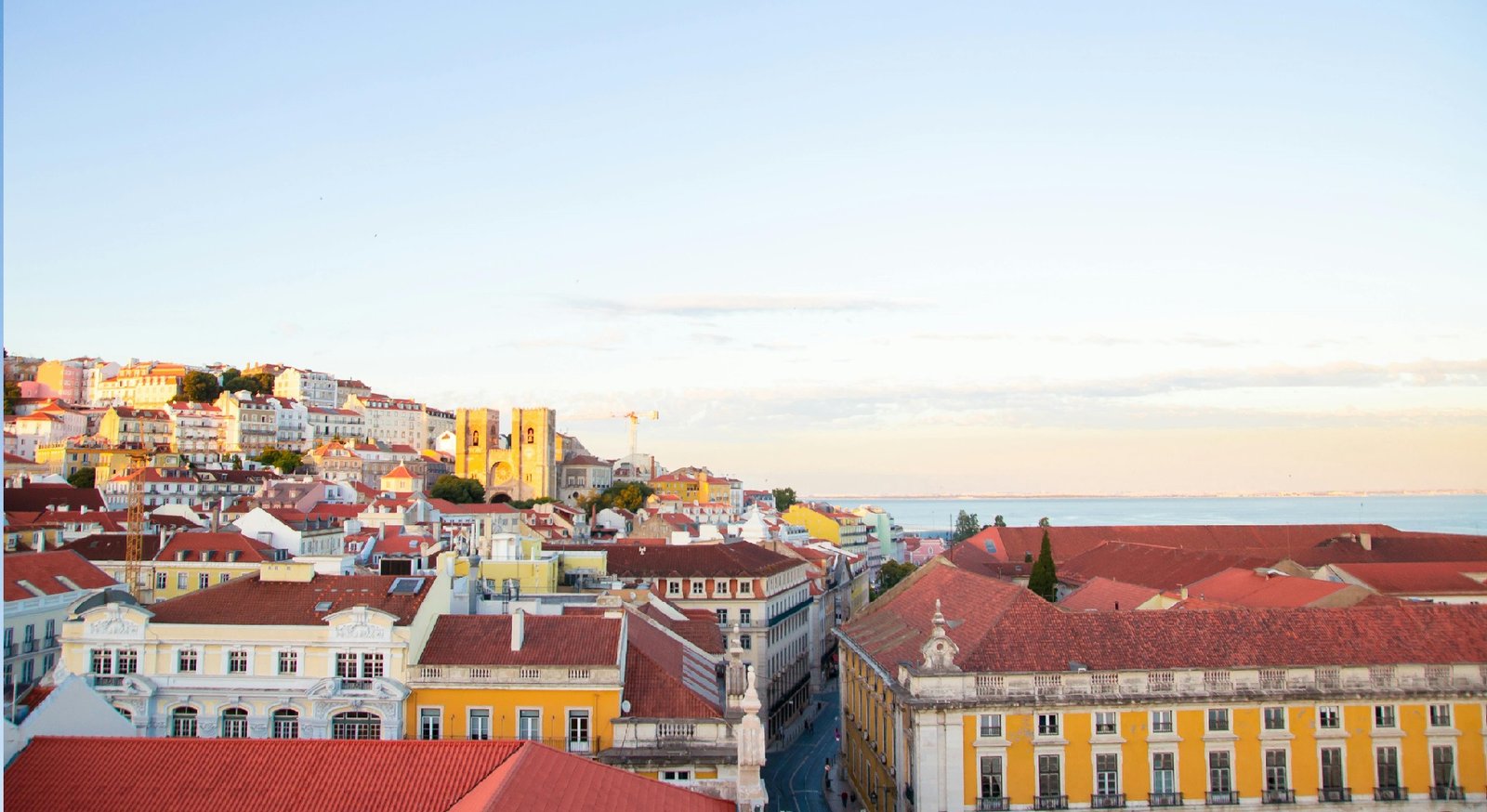
Corruption is a pervasive issue in many African countries, affecting various aspects of society, including politics, business, and public services. It undermines the rule of law, hampers economic growth, and exacerbates poverty and inequality. The prevalence of corruption can be attributed to a range of factors, including weak institutions, lack of transparency and accountability, and a culture of impunity. Addressing corruption requires comprehensive efforts to strengthen governance, promote transparency, and hold accountable those who engage in corrupt practices. In addition to corruption, Africa has a long history of religious influence, with Christianity and Islam being the two dominant religions on the continent. Religion plays a significant role in shaping cultural norms, social practices, and political dynamics in many African societies. Religious leaders often wield considerable influence and are looked upon for moral guidance and leadership. While religious organizations can provide important services and support to communities, there are also concerns about the misuse of religious power for political or personal gain. The intersection of corruption and religious power can present unique challenges for governance and development in Africa. In some cases, religious leaders have been implicated in corrupt activities or have used their influence to shield corrupt practices. This underscores the importance of promoting accountability and transparency across all sectors of society, including religious institutions. As we reflect on these complex issues, it is important to recognize the resilience and dynamism of African societies in addressing challenges and pursuing positive change. Efforts to combat corruption, promote good governance, and uphold the principles of justice and accountability are crucial for the continent's sustainable development and prosperity. In Lisbon, Portugal, a city with strong historical ties to Africa due to its colonial past, discussions and actions to address corruption and the influence of religious power in Africa can find a platform for collaboration and exchange. By engaging in dialogue and partnerships, stakeholders from Africa and Portugal can work together to promote transparency, good governance, and ethical leadership across borders. In conclusion, the issues of corruption and religious power in Africa are complex and multifaceted, requiring collective efforts and innovative solutions to address effectively. Through collaboration, dialogue, and unwavering commitment to the principles of integrity and accountability, Africa and its partners can pave the way for a more just and prosperous future for all. If you are enthusiast, check the following link https://www.tsonga.org To get more information check: https://www.tonigeria.com also for more https://www.tocongo.com to Get more information at https://www.toalgeria.com Want to expand your knowledge? Start with https://www.savanne.org
https://sunpowerpanels.com
https://religieuse.org
Leave a Comment:
SEARCH
Recent News
- Zurich is a vibrant city located in Switzerland and is well-known for its picturesque landscapes, rich history, and bustling business scene. The Spanish community in Zurich has been thriving, with many top companies from Spain making their mark in the city. These companies have not only contributed to the economy of Zurich but have also added diversity and innovation to the local business environment.
- Zurich, Switzerland is a vibrant city known for its stunning architecture, picturesque landscapes, and rich culture. One aspect of Zurich's cultural scene that often goes under the radar is its regional music. The city and its surrounding areas are home to a diverse range of musical styles, reflecting the multiculturalism and artistic diversity of the region.
- Top 5 Zurich Regional Movies You Must Watch
- Zurich, Switzerland: A Culinary Journey through Regional Cuisine
- Zurich, Switzerland is known for its rich culture and traditions, including traditional regional clothing that reflects the area's history and heritage. Swiss traditional clothing varies by region, with each area having its own unique style and designs. In Zurich, traditional Swiss clothing showcases a blend of functionality, craftsmanship, and aesthetics.
- Exploring Zurich: A Taste of Latin America in Switzerland
- Zurich, Switzerland is a vibrant city known for its stunning architecture, picturesque landscapes, and diverse culinary scene. While Swiss cuisine certainly holds a special place in the hearts of many locals and visitors, the city also boasts a variety of international dining options, including Latin American food.
- Zurich, Switzerland is a vibrant city known for its picturesque surroundings, high quality of life, and thriving multicultural community. Among the various expatriate communities that call Zurich home, the Latin American community stands out for its rich culture, lively traditions, and strong sense of community bonding.
READ MORE
1 year ago Category :

Zurich is a vibrant city located in Switzerland and is well-known for its picturesque landscapes, rich history, and bustling business scene. The Spanish community in Zurich has been thriving, with many top companies from Spain making their mark in the city. These companies have not only contributed to the economy of Zurich but have also added diversity and innovation to the local business environment.
Read More →1 year ago Category :

Zurich, Switzerland is a vibrant city known for its stunning architecture, picturesque landscapes, and rich culture. One aspect of Zurich's cultural scene that often goes under the radar is its regional music. The city and its surrounding areas are home to a diverse range of musical styles, reflecting the multiculturalism and artistic diversity of the region.
Read More →1 year ago Category :

Top 5 Zurich Regional Movies You Must Watch
Read More →1 year ago Category :
