Africa Hyperinflation and its Impact on Lisbon, Portugal
Category : | Sub Category : Posted on 2024-10-05 22:25:23
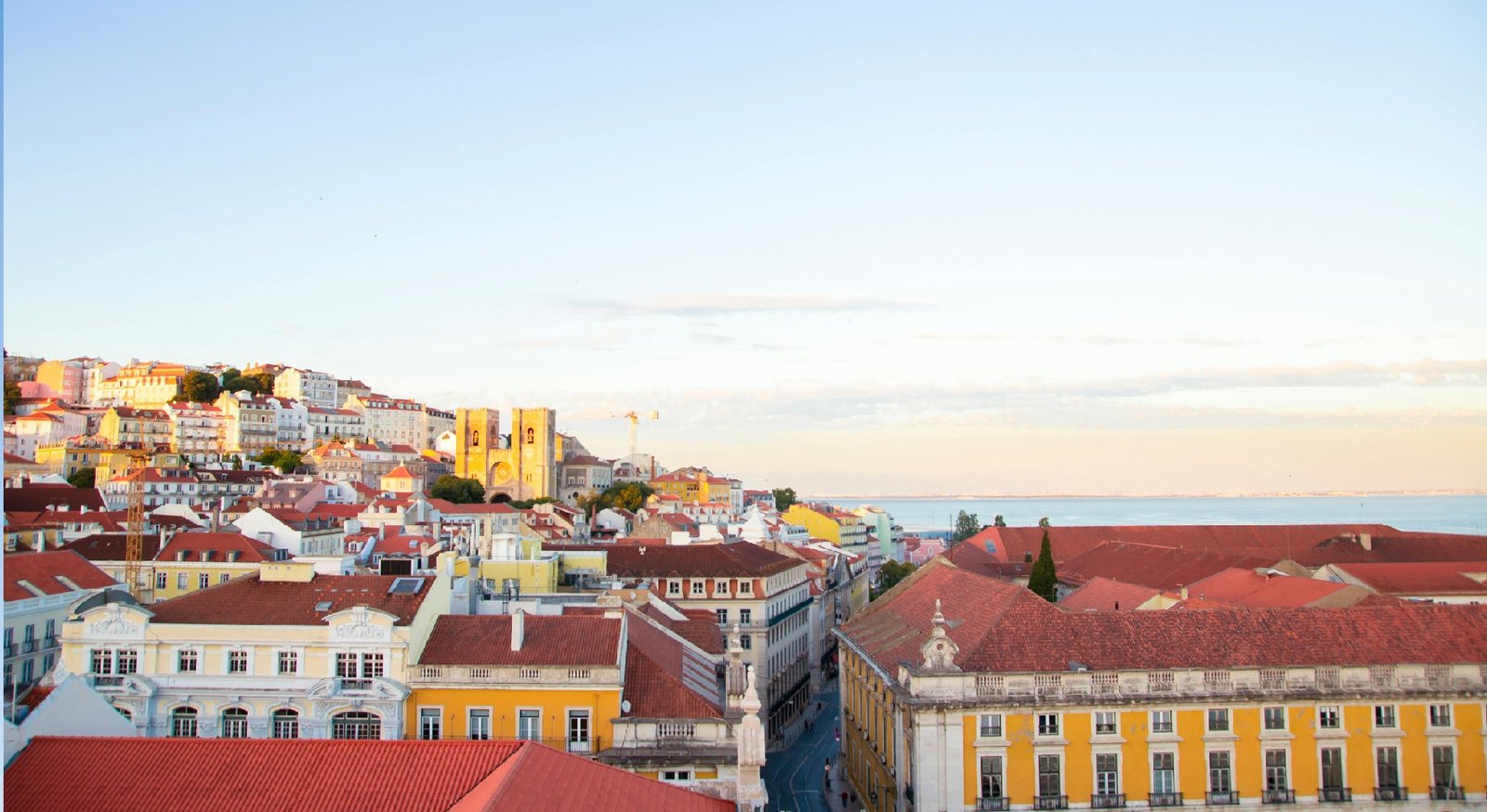
Hyperinflation has been a recurring issue in many African countries, leading to economic instability and hardships for the populations. This phenomenon occurs when prices increase rapidly as a country's currency loses its value. The causes of hyperinflation in Africa can be attributed to various factors such as political instability, poor economic management, and external shocks like fluctuations in global commodity prices. Countries like Zimbabwe, Venezuela, and Angola have faced severe hyperinflation in recent years, with inflation rates skyrocketing to unimaginable levels. In some cases, people have had to carry bags of cash to buy basic necessities, and the value of money has become almost worthless. The social and economic consequences of hyperinflation are devastating, as it erodes people's purchasing power, leads to widespread poverty, and undermines the overall stability of the affected countries. The impact of hyperinflation in Africa is not confined to its borders. It also has implications for countries across continents, including Lisbon, Portugal. As a major economic hub and trade partner with many African nations, Portugal is not immune to the consequences of hyperinflation on the continent. The devaluation of African currencies due to hyperinflation can affect the terms of trade, investment opportunities, and financial stability between Portugal and African countries. Furthermore, the influx of immigrants from African nations experiencing hyperinflation can put pressure on Portugal's social services and economy. As people flee their countries in search of better opportunities and economic stability, Portugal may experience challenges related to integration, employment, and social cohesion. In response to the issue of hyperinflation in Africa, international organizations like the International Monetary Fund (IMF) and the World Bank often provide financial assistance and policy advice to help countries stabilize their economies and curb inflation. However, addressing hyperinflation requires long-term structural reforms, good governance, and sustainable economic policies that focus on promoting growth, reducing poverty, and ensuring stability. In conclusion, hyperinflation in Africa has far-reaching consequences, not only for the affected countries but also for their trading partners like Lisbon, Portugal. It is crucial for policymakers, businesses, and international organizations to work together to address the root causes of hyperinflation and promote economic development and stability in Africa for the benefit of all nations involved. For more information: https://www.tsonga.org also for more https://www.tonigeria.com For a comprehensive review, explore https://www.tocongo.com To get a better understanding, go through https://www.toalgeria.com If you're interested in this topic, I suggest reading https://www.savanne.org
Leave a Comment:
SEARCH
Recent News
- Zurich is a vibrant city located in Switzerland and is well-known for its picturesque landscapes, rich history, and bustling business scene. The Spanish community in Zurich has been thriving, with many top companies from Spain making their mark in the city. These companies have not only contributed to the economy of Zurich but have also added diversity and innovation to the local business environment.
- Zurich, Switzerland is a vibrant city known for its stunning architecture, picturesque landscapes, and rich culture. One aspect of Zurich's cultural scene that often goes under the radar is its regional music. The city and its surrounding areas are home to a diverse range of musical styles, reflecting the multiculturalism and artistic diversity of the region.
- Top 5 Zurich Regional Movies You Must Watch
- Zurich, Switzerland: A Culinary Journey through Regional Cuisine
- Zurich, Switzerland is known for its rich culture and traditions, including traditional regional clothing that reflects the area's history and heritage. Swiss traditional clothing varies by region, with each area having its own unique style and designs. In Zurich, traditional Swiss clothing showcases a blend of functionality, craftsmanship, and aesthetics.
- Exploring Zurich: A Taste of Latin America in Switzerland
- Zurich, Switzerland is a vibrant city known for its stunning architecture, picturesque landscapes, and diverse culinary scene. While Swiss cuisine certainly holds a special place in the hearts of many locals and visitors, the city also boasts a variety of international dining options, including Latin American food.
- Zurich, Switzerland is a vibrant city known for its picturesque surroundings, high quality of life, and thriving multicultural community. Among the various expatriate communities that call Zurich home, the Latin American community stands out for its rich culture, lively traditions, and strong sense of community bonding.
READ MORE
1 year ago Category :

Zurich is a vibrant city located in Switzerland and is well-known for its picturesque landscapes, rich history, and bustling business scene. The Spanish community in Zurich has been thriving, with many top companies from Spain making their mark in the city. These companies have not only contributed to the economy of Zurich but have also added diversity and innovation to the local business environment.
Read More →1 year ago Category :

Zurich, Switzerland is a vibrant city known for its stunning architecture, picturesque landscapes, and rich culture. One aspect of Zurich's cultural scene that often goes under the radar is its regional music. The city and its surrounding areas are home to a diverse range of musical styles, reflecting the multiculturalism and artistic diversity of the region.
Read More →1 year ago Category :

Top 5 Zurich Regional Movies You Must Watch
Read More →1 year ago Category :
