Unpacking the Intersection of Corruption and Religious Power in Lisbon, Portugal
Category : | Sub Category : Posted on 2024-10-05 22:25:23
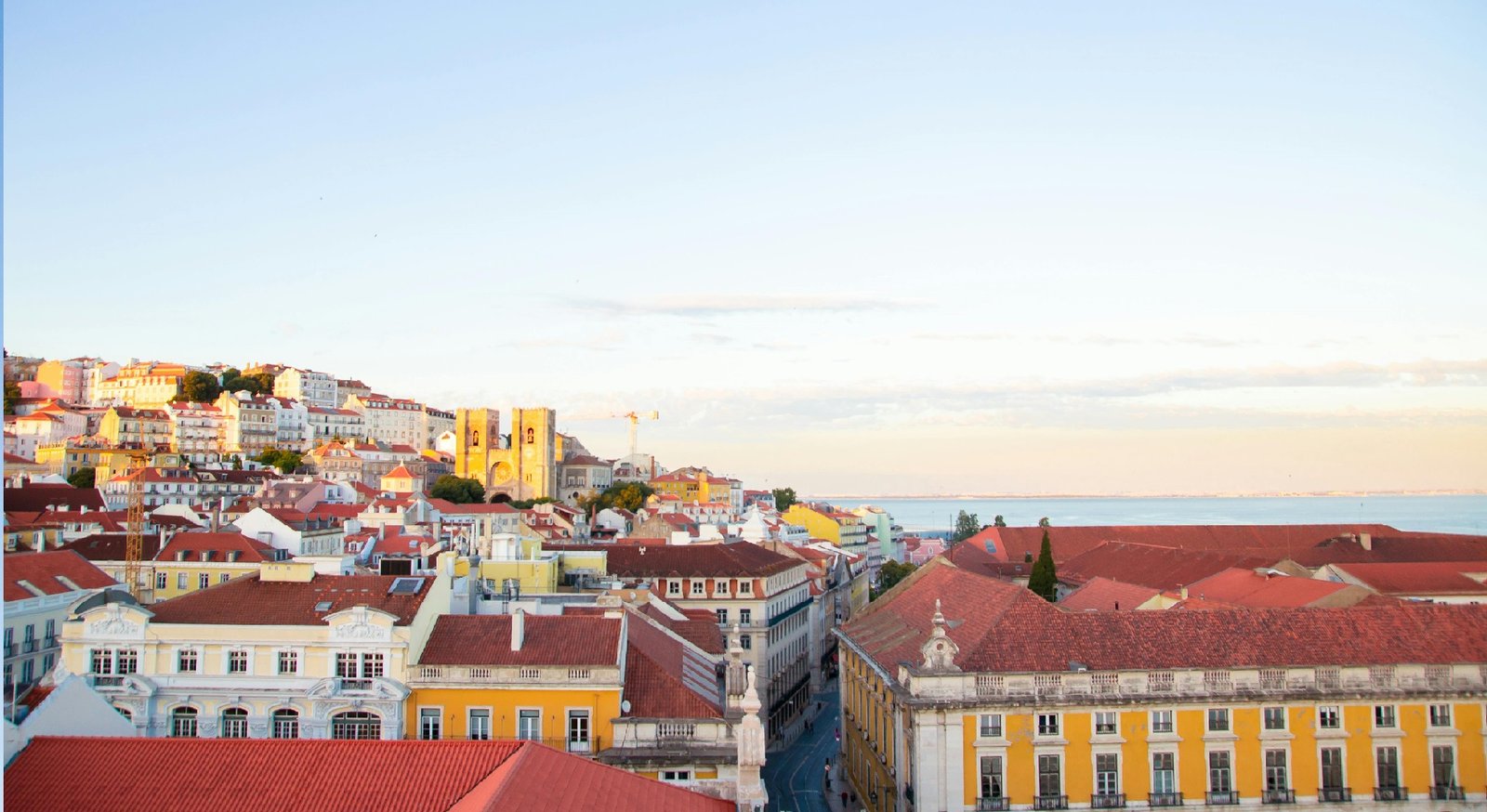
Lisbon, the vibrant capital city of Portugal, is known for its rich history, stunning architecture, and bustling cultural scene. However, beneath its picturesque façade lies a complex relationship between corruption and religious power that has influenced the city for centuries. Corruption, unfortunately, is not a novel concept in Lisbon, with several high-profile cases shaking public trust in government institutions. The intertwining of corruption and religious power further complicates matters, as influential religious figures have sometimes been accused of using their positions to influence political decisions and garner personal benefits. Historically, the Catholic Church has wielded significant power in Portugal, and this influence has sometimes been misused for personal gain. The close relationship between state and church can create opportunities for corruption to thrive, with individuals using their religious authority to secure advantageous positions or benefits. One notorious example of this intertwining of corruption and religious power in Lisbon is the case of a prominent clergy member who was embroiled in a scandal involving embezzlement of church funds. The scandal sent shockwaves through the community, highlighting the dangers of unchecked power and the potential for corruption to seep into even the most sacred institutions. Addressing the issue of corruption and religious power in Lisbon requires a multi-faceted approach, including increased transparency, accountability measures, and ethical guidelines for religious leaders. By holding individuals accountable for their actions and promoting a culture of integrity and honesty, the city can work towards creating a more just and equitable society for all. Ultimately, the complex relationship between corruption and religious power in Lisbon serves as a reminder of the importance of vigilance and oversight in all spheres of society. By shining a light on these issues and working towards meaningful change, the city can move towards a brighter and more ethical future for its residents and visitors alike. In conclusion, the intersection of corruption and religious power in Lisbon, Portugal is a complex and challenging issue that requires careful consideration and action. By addressing these issues head-on and promoting a culture of accountability and transparency, the city can work towards a more just and equitable society for all. sources: https://www.chatarabonline.com
https://egyptwn.com
https://sunpowerpanels.com
https://religieuse.org
Leave a Comment:
SEARCH
Recent News
- Zurich is a vibrant city located in Switzerland and is well-known for its picturesque landscapes, rich history, and bustling business scene. The Spanish community in Zurich has been thriving, with many top companies from Spain making their mark in the city. These companies have not only contributed to the economy of Zurich but have also added diversity and innovation to the local business environment.
- Zurich, Switzerland is a vibrant city known for its stunning architecture, picturesque landscapes, and rich culture. One aspect of Zurich's cultural scene that often goes under the radar is its regional music. The city and its surrounding areas are home to a diverse range of musical styles, reflecting the multiculturalism and artistic diversity of the region.
- Top 5 Zurich Regional Movies You Must Watch
- Zurich, Switzerland: A Culinary Journey through Regional Cuisine
- Zurich, Switzerland is known for its rich culture and traditions, including traditional regional clothing that reflects the area's history and heritage. Swiss traditional clothing varies by region, with each area having its own unique style and designs. In Zurich, traditional Swiss clothing showcases a blend of functionality, craftsmanship, and aesthetics.
- Exploring Zurich: A Taste of Latin America in Switzerland
- Zurich, Switzerland is a vibrant city known for its stunning architecture, picturesque landscapes, and diverse culinary scene. While Swiss cuisine certainly holds a special place in the hearts of many locals and visitors, the city also boasts a variety of international dining options, including Latin American food.
- Zurich, Switzerland is a vibrant city known for its picturesque surroundings, high quality of life, and thriving multicultural community. Among the various expatriate communities that call Zurich home, the Latin American community stands out for its rich culture, lively traditions, and strong sense of community bonding.
READ MORE
1 year ago Category :

Zurich is a vibrant city located in Switzerland and is well-known for its picturesque landscapes, rich history, and bustling business scene. The Spanish community in Zurich has been thriving, with many top companies from Spain making their mark in the city. These companies have not only contributed to the economy of Zurich but have also added diversity and innovation to the local business environment.
Read More →1 year ago Category :

Zurich, Switzerland is a vibrant city known for its stunning architecture, picturesque landscapes, and rich culture. One aspect of Zurich's cultural scene that often goes under the radar is its regional music. The city and its surrounding areas are home to a diverse range of musical styles, reflecting the multiculturalism and artistic diversity of the region.
Read More →1 year ago Category :

Top 5 Zurich Regional Movies You Must Watch
Read More →1 year ago Category :
