The topic of hyperinflation in Arab countries and its impact on Lisbon, Portugal is a complex and multi-faceted issue. Hyperinflation occurs when a country experiences very high and typically accelerating rates of inflation, causing the value of the national currency to plummet rapidly. This can have severe consequences for the economy, businesses, and individuals in the affected country, as well as ripple effects on global markets and trading partners.
Category : | Sub Category : Posted on 2024-10-05 22:25:23
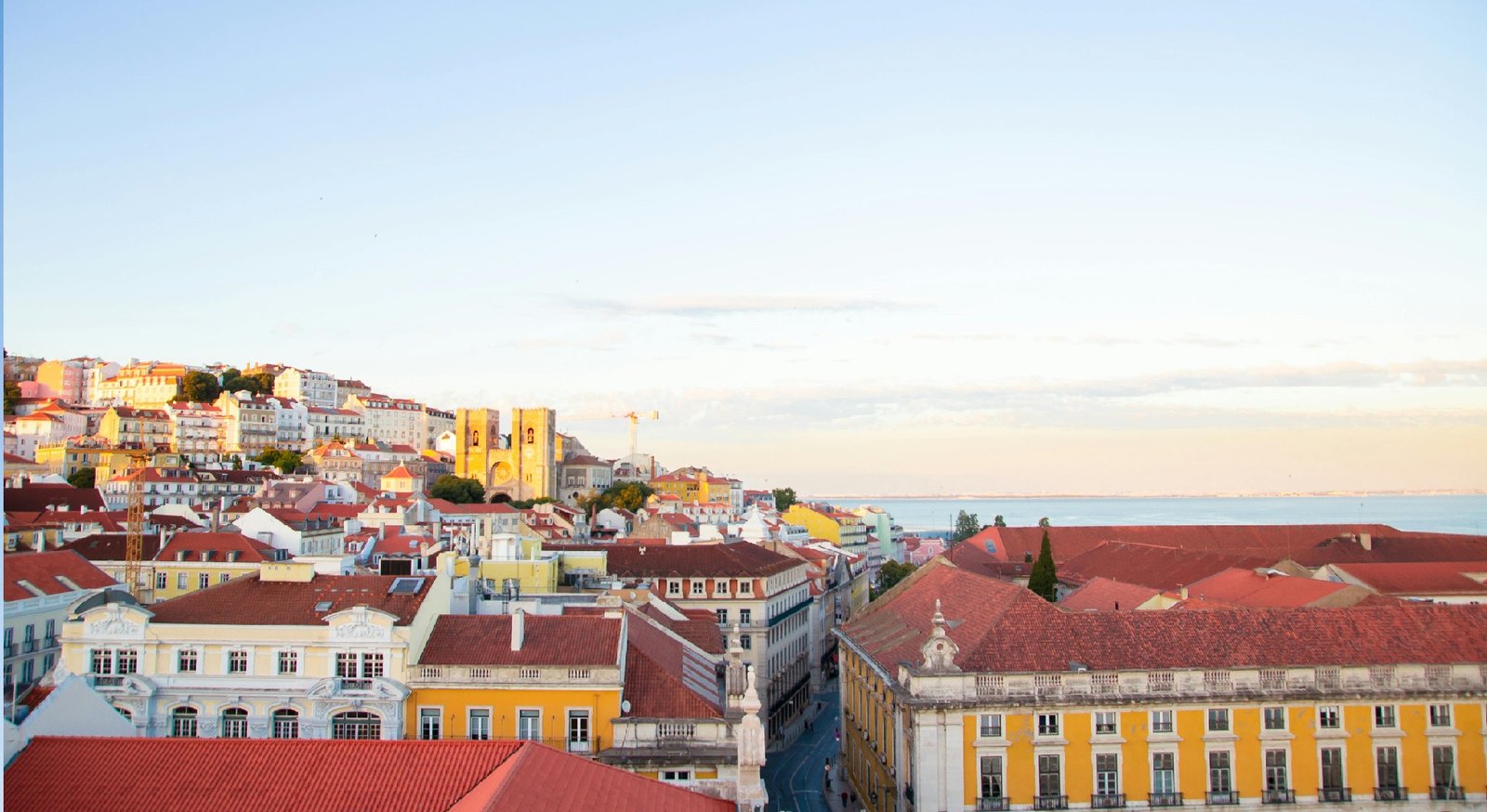
Arab countries have faced periods of hyperinflation in the past due to various economic and political factors, such as wars, economic mismanagement, corruption, and external shocks like oil price fluctuations. The consequences of hyperinflation include soaring prices for goods and services, loss of purchasing power, erosion of savings, and general economic instability. The impact of hyperinflation in Arab countries can also extend to other regions, including European countries like Portugal. Lisbon, the capital city of Portugal, is a major European economic hub and a popular tourist destination. Hyperinflation in Arab countries can affect Portugal through various channels such as trade relations, investment flows, and tourism. As Arab countries grapple with hyperinflation, businesses may face challenges in exporting goods to Portugal due to currency devaluation and higher costs. Foreign investors may also be wary of investing in Arab countries experiencing hyperinflation, which can dampen economic growth and trade activities between Arab countries and Portugal. Furthermore, hyperinflation in Arab countries may impact tourism in Lisbon, as travelers from affected regions may have reduced purchasing power and be less inclined to spend on international trips. This can have negative repercussions on the tourism industry in Lisbon, which relies on visitors from around the world to sustain its economy. In conclusion, hyperinflation in Arab countries can have far-reaching consequences beyond their borders, impacting trading partners like Portugal in various ways. It is crucial for policymakers, businesses, and individuals to monitor and address the underlying causes of hyperinflation to mitigate its effects and foster stable economic relations between countries. also click the following link for more https://www.chatarabonline.com
https://egyptwn.com
Leave a Comment:
SEARCH
Recent News
- Zurich is a vibrant city located in Switzerland and is well-known for its picturesque landscapes, rich history, and bustling business scene. The Spanish community in Zurich has been thriving, with many top companies from Spain making their mark in the city. These companies have not only contributed to the economy of Zurich but have also added diversity and innovation to the local business environment.
- Zurich, Switzerland is a vibrant city known for its stunning architecture, picturesque landscapes, and rich culture. One aspect of Zurich's cultural scene that often goes under the radar is its regional music. The city and its surrounding areas are home to a diverse range of musical styles, reflecting the multiculturalism and artistic diversity of the region.
- Top 5 Zurich Regional Movies You Must Watch
- Zurich, Switzerland: A Culinary Journey through Regional Cuisine
- Zurich, Switzerland is known for its rich culture and traditions, including traditional regional clothing that reflects the area's history and heritage. Swiss traditional clothing varies by region, with each area having its own unique style and designs. In Zurich, traditional Swiss clothing showcases a blend of functionality, craftsmanship, and aesthetics.
- Exploring Zurich: A Taste of Latin America in Switzerland
- Zurich, Switzerland is a vibrant city known for its stunning architecture, picturesque landscapes, and diverse culinary scene. While Swiss cuisine certainly holds a special place in the hearts of many locals and visitors, the city also boasts a variety of international dining options, including Latin American food.
- Zurich, Switzerland is a vibrant city known for its picturesque surroundings, high quality of life, and thriving multicultural community. Among the various expatriate communities that call Zurich home, the Latin American community stands out for its rich culture, lively traditions, and strong sense of community bonding.
READ MORE
1 year ago Category :

Zurich is a vibrant city located in Switzerland and is well-known for its picturesque landscapes, rich history, and bustling business scene. The Spanish community in Zurich has been thriving, with many top companies from Spain making their mark in the city. These companies have not only contributed to the economy of Zurich but have also added diversity and innovation to the local business environment.
Read More →1 year ago Category :

Zurich, Switzerland is a vibrant city known for its stunning architecture, picturesque landscapes, and rich culture. One aspect of Zurich's cultural scene that often goes under the radar is its regional music. The city and its surrounding areas are home to a diverse range of musical styles, reflecting the multiculturalism and artistic diversity of the region.
Read More →1 year ago Category :

Top 5 Zurich Regional Movies You Must Watch
Read More →1 year ago Category :
