Revolutionizing the Future: Advanced Arm Prosthetics and Drones in Lisbon, Portugal
Category : | Sub Category : Posted on 2024-10-05 22:25:23
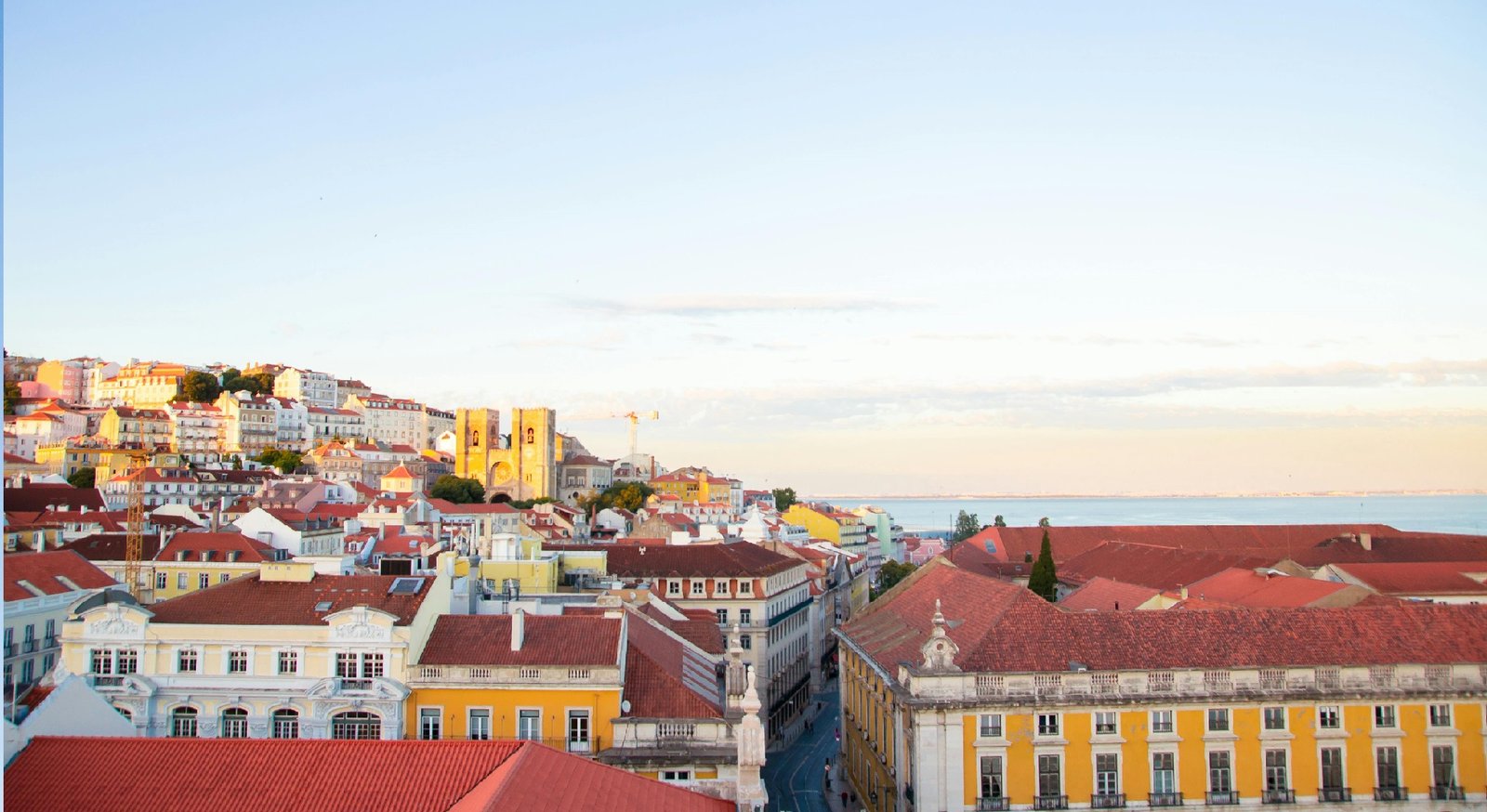
In a rapidly evolving world where technology continues to push boundaries and break barriers, the city of Lisbon, Portugal, has emerged as a hub for innovation in the fields of arm prosthetics and drone technology. With a focus on improving the quality of life for individuals with limb differences and harnessing the potential of unmanned aerial vehicles for various applications, Lisbon has become a hotbed of cutting-edge research and development. Arm prosthetics have come a long way from traditional designs to more advanced and sophisticated models that aim to closely mimic the function and dexterity of a natural limb. Innovations such as neuroprosthetics, which use neural signals to control prosthetic devices, are at the forefront of this field. Researchers and engineers in Lisbon are working tirelessly to develop prosthetic arms that not only restore mobility and functionality but also provide users with a sense of touch and proprioception, blurring the line between the human body and technology. One of the key players in this field is the Institute of Bioengineering at the Institute of Superior Technic, University of Lisbon, which is leading groundbreaking research in neural interfaces and biomechatronics. Their work has the potential to revolutionize the lives of amputees and individuals with limb differences, giving them greater independence and freedom of movement. Simultaneously, Lisbon has also seen significant developments in drone technology, with a focus on leveraging these unmanned aerial vehicles for a wide range of applications. From aerial photography and surveillance to search and rescue missions, drones have proven to be versatile tools with immense potential. The city's unique geography, with its hills and valleys, has provided the perfect testing ground for drone navigation and obstacle avoidance systems. Companies like Tekever, based in Lisbon, are at the forefront of drone innovation, developing cutting-edge solutions for defense, security, and environmental monitoring. Their work has not only put Lisbon on the map as a hub for drone technology but has also opened up new opportunities for collaboration and partnerships with international organizations and institutions. As Lisbon continues to embrace innovation and push the boundaries of technology, the convergence of advanced arm prosthetics and drone technology is poised to shape the future of healthcare, mobility, and beyond. With researchers, engineers, and entrepreneurs working together to push the limits of what is possible, Lisbon is truly at the forefront of a technological revolution that promises to change lives and redefine industries.
Leave a Comment:
SEARCH
Recent News
- Zurich is a vibrant city located in Switzerland and is well-known for its picturesque landscapes, rich history, and bustling business scene. The Spanish community in Zurich has been thriving, with many top companies from Spain making their mark in the city. These companies have not only contributed to the economy of Zurich but have also added diversity and innovation to the local business environment.
- Zurich, Switzerland is a vibrant city known for its stunning architecture, picturesque landscapes, and rich culture. One aspect of Zurich's cultural scene that often goes under the radar is its regional music. The city and its surrounding areas are home to a diverse range of musical styles, reflecting the multiculturalism and artistic diversity of the region.
- Top 5 Zurich Regional Movies You Must Watch
- Zurich, Switzerland: A Culinary Journey through Regional Cuisine
- Zurich, Switzerland is known for its rich culture and traditions, including traditional regional clothing that reflects the area's history and heritage. Swiss traditional clothing varies by region, with each area having its own unique style and designs. In Zurich, traditional Swiss clothing showcases a blend of functionality, craftsmanship, and aesthetics.
- Exploring Zurich: A Taste of Latin America in Switzerland
- Zurich, Switzerland is a vibrant city known for its stunning architecture, picturesque landscapes, and diverse culinary scene. While Swiss cuisine certainly holds a special place in the hearts of many locals and visitors, the city also boasts a variety of international dining options, including Latin American food.
- Zurich, Switzerland is a vibrant city known for its picturesque surroundings, high quality of life, and thriving multicultural community. Among the various expatriate communities that call Zurich home, the Latin American community stands out for its rich culture, lively traditions, and strong sense of community bonding.
READ MORE
1 year ago Category :

Zurich is a vibrant city located in Switzerland and is well-known for its picturesque landscapes, rich history, and bustling business scene. The Spanish community in Zurich has been thriving, with many top companies from Spain making their mark in the city. These companies have not only contributed to the economy of Zurich but have also added diversity and innovation to the local business environment.
Read More →1 year ago Category :

Zurich, Switzerland is a vibrant city known for its stunning architecture, picturesque landscapes, and rich culture. One aspect of Zurich's cultural scene that often goes under the radar is its regional music. The city and its surrounding areas are home to a diverse range of musical styles, reflecting the multiculturalism and artistic diversity of the region.
Read More →1 year ago Category :

Top 5 Zurich Regional Movies You Must Watch
Read More →1 year ago Category :
