Advancements in Arm Prosthetics: The Intersection of Electronics Design and Embedded Systems in Lisbon, Portugal
Category : | Sub Category : Posted on 2024-10-05 22:25:23
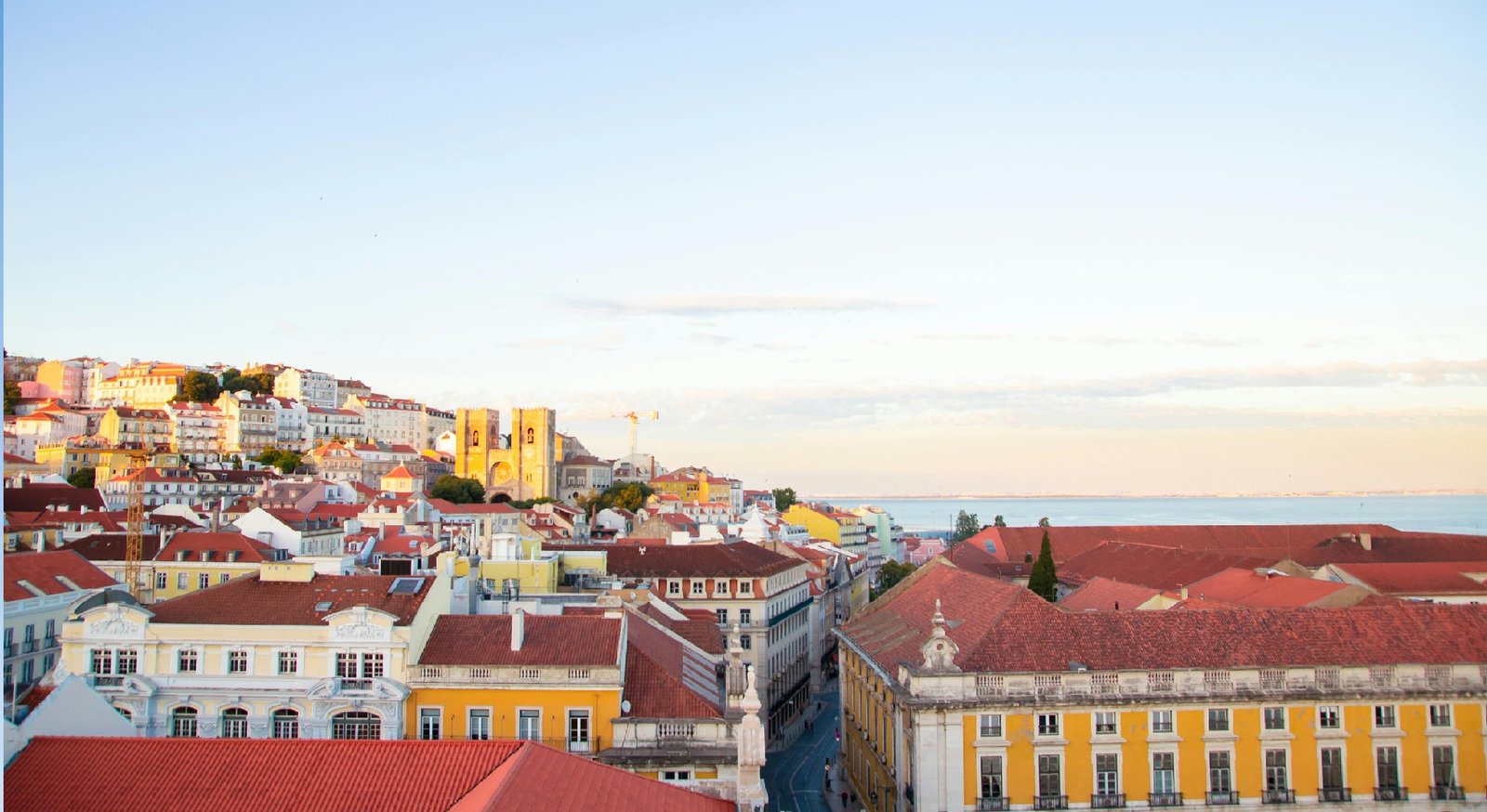
Lisbon, the vibrant capital city of Portugal, is not only known for its stunning architecture and rich cultural heritage but also for its innovative advancements in the field of arm prosthetics. With a focus on electronics design and embedded systems, Lisbon has become a hub for cutting-edge technologies that are revolutionizing the way we think about prosthetic limbs. Arm prosthetics have been a critical area of research and development, especially for individuals who have lost their arms due to amputation or other reasons. Thanks to advancements in electronics design and embedded systems, prosthetic arms are now more functional, comfortable, and customizable than ever before. In Lisbon, research institutions, tech companies, and startups are collaborating to push the boundaries of arm prosthetics. By leveraging the power of electronics design, experts are creating prosthetic arms that can mimic the natural movements of a human arm, providing users with a greater range of motion and dexterity. Embedded systems play a crucial role in enhancing the functionality of prosthetic arms. By integrating sensors, actuators, and microcontrollers, prosthetic limbs can respond to the user's muscle movements, allowing for more intuitive control. This level of sophistication is transforming the lives of amputees, enabling them to perform everyday tasks with ease and confidence. One of the key advantages of the advancements in arm prosthetics in Lisbon is the focus on user experience. By incorporating feedback from prosthesis users and healthcare professionals, designers and engineers are developing prosthetic arms that are comfortable, lightweight, and aesthetically pleasing. This human-centric approach is revolutionizing the prosthetics industry and is leading to greater acceptance and adoption of these advanced technologies. Furthermore, the collaborative environment in Lisbon is fostering innovation and creativity in the field of arm prosthetics. Researchers are constantly exploring new materials, sensors, and control algorithms to improve the performance and reliability of prosthetic arms. This spirit of innovation is positioning Lisbon as a leader in the development of next-generation prosthetic technologies. In conclusion, the intersection of electronics design and embedded systems is shaping the future of arm prosthetics in Lisbon, Portugal. By harnessing the power of technology and human-centered design, experts are creating prosthetic arms that are more functional, comfortable, and lifelike than ever before. With ongoing research and collaboration, Lisbon is at the forefront of innovation in the field of prosthetics, offering hope and improved quality of life to individuals in need of advanced arm prosthetic solutions.
Leave a Comment:
SEARCH
Recent News
- Zurich is a vibrant city located in Switzerland and is well-known for its picturesque landscapes, rich history, and bustling business scene. The Spanish community in Zurich has been thriving, with many top companies from Spain making their mark in the city. These companies have not only contributed to the economy of Zurich but have also added diversity and innovation to the local business environment.
- Zurich, Switzerland is a vibrant city known for its stunning architecture, picturesque landscapes, and rich culture. One aspect of Zurich's cultural scene that often goes under the radar is its regional music. The city and its surrounding areas are home to a diverse range of musical styles, reflecting the multiculturalism and artistic diversity of the region.
- Top 5 Zurich Regional Movies You Must Watch
- Zurich, Switzerland: A Culinary Journey through Regional Cuisine
- Zurich, Switzerland is known for its rich culture and traditions, including traditional regional clothing that reflects the area's history and heritage. Swiss traditional clothing varies by region, with each area having its own unique style and designs. In Zurich, traditional Swiss clothing showcases a blend of functionality, craftsmanship, and aesthetics.
- Exploring Zurich: A Taste of Latin America in Switzerland
- Zurich, Switzerland is a vibrant city known for its stunning architecture, picturesque landscapes, and diverse culinary scene. While Swiss cuisine certainly holds a special place in the hearts of many locals and visitors, the city also boasts a variety of international dining options, including Latin American food.
- Zurich, Switzerland is a vibrant city known for its picturesque surroundings, high quality of life, and thriving multicultural community. Among the various expatriate communities that call Zurich home, the Latin American community stands out for its rich culture, lively traditions, and strong sense of community bonding.
READ MORE
1 year ago Category :

Zurich is a vibrant city located in Switzerland and is well-known for its picturesque landscapes, rich history, and bustling business scene. The Spanish community in Zurich has been thriving, with many top companies from Spain making their mark in the city. These companies have not only contributed to the economy of Zurich but have also added diversity and innovation to the local business environment.
Read More →1 year ago Category :

Zurich, Switzerland is a vibrant city known for its stunning architecture, picturesque landscapes, and rich culture. One aspect of Zurich's cultural scene that often goes under the radar is its regional music. The city and its surrounding areas are home to a diverse range of musical styles, reflecting the multiculturalism and artistic diversity of the region.
Read More →1 year ago Category :

Top 5 Zurich Regional Movies You Must Watch
Read More →1 year ago Category :
