Bangladesh and Lisbon, Portugal may seem like two distant and diverse places with contrasting architectural styles. However, the architectural connection between these two regions can be quite fascinating. Let's explore how the architecture of Bangladesh and Lisbon, Portugal reflects their unique cultural identities.
Category : | Sub Category : Posted on 2024-10-05 22:25:23
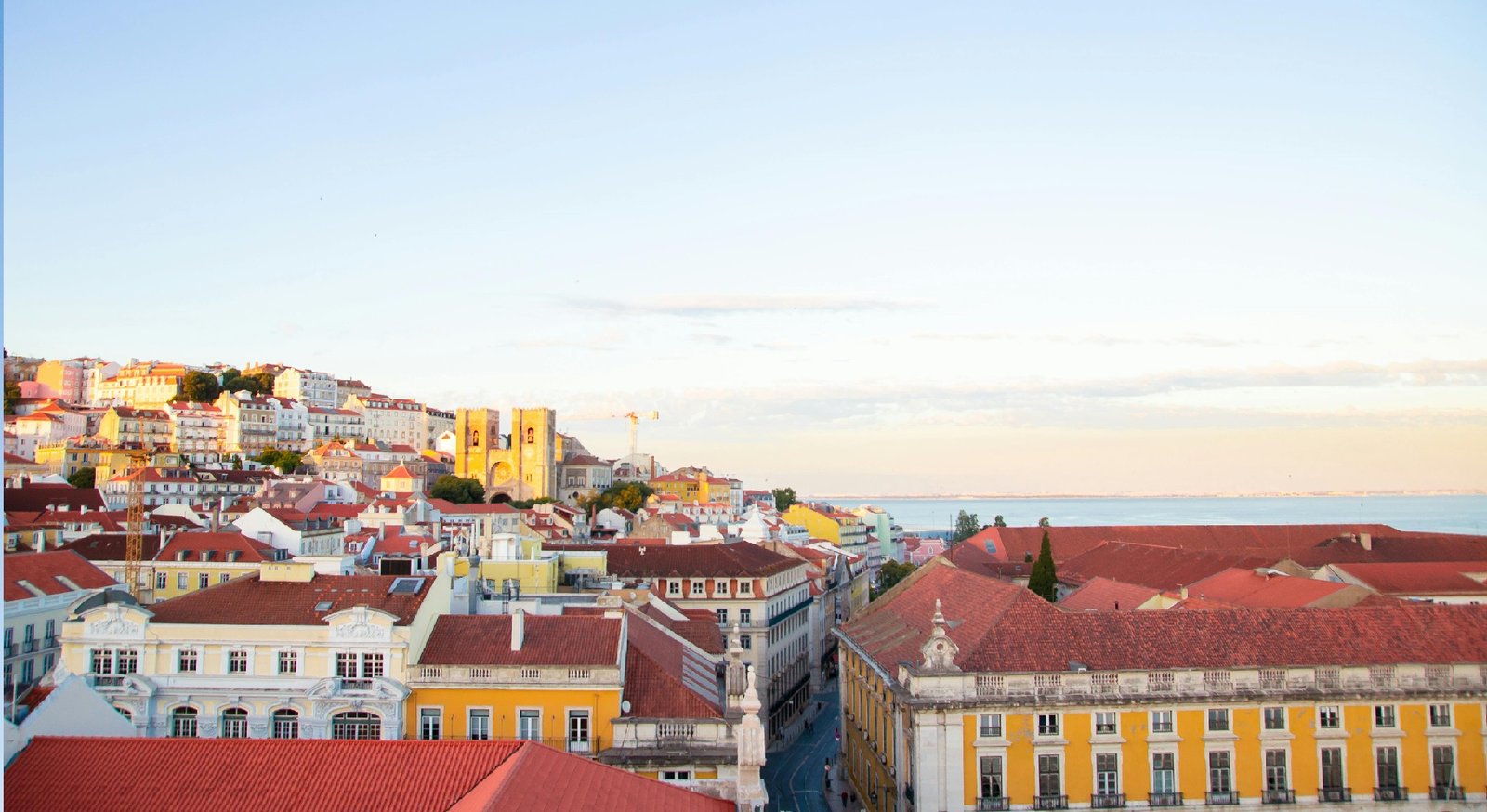
In Bangladesh, the architecture is a mix of traditional and modern influences. The country's rich history, religious diversity, and tropical climate have all played a role in shaping its architectural landscape. Traditional Bengali architecture is characterized by intricate carvings, vibrant colors, and curved rooflines. The famous curved terracotta temples in Puthia and Kantanagar are prime examples of this architectural style. On the other hand, modern architecture in Bangladesh is evolving rapidly, with sleek high-rise buildings and contemporary designs becoming more prominent in urban centers like Dhaka and Chittagong. The juxtaposition of traditional and modern architecture in Bangladesh reflects the country's blend of heritage and progress. In Lisbon, Portugal, architecture tells a different story. The city is known for its charming old-world charm, with pastel-colored buildings, tiled facades, and narrow cobblestone streets. The historic neighborhoods of Alfama and Bairro Alto showcase Lisbon's timeless beauty, with Moorish influences evident in the intricate tilework and architecture. Lisbon's architecture also reflects its maritime history, with grand buildings like the Jeronimos Monastery and Belem Tower standing as testaments to Portugal's Age of Discovery. These ornate structures feature intricate details and elaborate embellishments, showcasing the country's wealth and power during the 15th and 16th centuries. Despite their geographical distance, Bangladesh and Lisbon share a common thread in their architectural heritage – a blend of tradition, history, and cultural influences. While Bangladesh's architecture reflects its tropical surroundings and religious diversity, Lisbon's architecture speaks to its maritime legacy and old-world charm. By exploring the architectural landscapes of Bangladesh and Lisbon, we gain a deeper understanding of how architecture can be a powerful expression of cultural identity and heritage. Whether it's the curved terracotta temples of Bangladesh or the tiled facades of Lisbon, each building tells a story of the people and places that have shaped it over time. In this way, architecture serves as a visual representation of the rich tapestry of human history and creativity, transcending borders and connecting us across continents.
Leave a Comment:
SEARCH
Recent News
- Zurich is a vibrant city located in Switzerland and is well-known for its picturesque landscapes, rich history, and bustling business scene. The Spanish community in Zurich has been thriving, with many top companies from Spain making their mark in the city. These companies have not only contributed to the economy of Zurich but have also added diversity and innovation to the local business environment.
- Zurich, Switzerland is a vibrant city known for its stunning architecture, picturesque landscapes, and rich culture. One aspect of Zurich's cultural scene that often goes under the radar is its regional music. The city and its surrounding areas are home to a diverse range of musical styles, reflecting the multiculturalism and artistic diversity of the region.
- Top 5 Zurich Regional Movies You Must Watch
- Zurich, Switzerland: A Culinary Journey through Regional Cuisine
- Zurich, Switzerland is known for its rich culture and traditions, including traditional regional clothing that reflects the area's history and heritage. Swiss traditional clothing varies by region, with each area having its own unique style and designs. In Zurich, traditional Swiss clothing showcases a blend of functionality, craftsmanship, and aesthetics.
- Exploring Zurich: A Taste of Latin America in Switzerland
- Zurich, Switzerland is a vibrant city known for its stunning architecture, picturesque landscapes, and diverse culinary scene. While Swiss cuisine certainly holds a special place in the hearts of many locals and visitors, the city also boasts a variety of international dining options, including Latin American food.
- Zurich, Switzerland is a vibrant city known for its picturesque surroundings, high quality of life, and thriving multicultural community. Among the various expatriate communities that call Zurich home, the Latin American community stands out for its rich culture, lively traditions, and strong sense of community bonding.
READ MORE
1 year ago Category :

Zurich is a vibrant city located in Switzerland and is well-known for its picturesque landscapes, rich history, and bustling business scene. The Spanish community in Zurich has been thriving, with many top companies from Spain making their mark in the city. These companies have not only contributed to the economy of Zurich but have also added diversity and innovation to the local business environment.
Read More →1 year ago Category :

Zurich, Switzerland is a vibrant city known for its stunning architecture, picturesque landscapes, and rich culture. One aspect of Zurich's cultural scene that often goes under the radar is its regional music. The city and its surrounding areas are home to a diverse range of musical styles, reflecting the multiculturalism and artistic diversity of the region.
Read More →1 year ago Category :

Top 5 Zurich Regional Movies You Must Watch
Read More →1 year ago Category :
