Blockchain technology has gained significant attention in recent years for its potential to revolutionize various industries. One area where blockchain could make a significant impact is in resolving conflicts in history, such as those related to the city of Lisbon, Portugal.
Category : | Sub Category : Posted on 2024-10-05 22:25:23
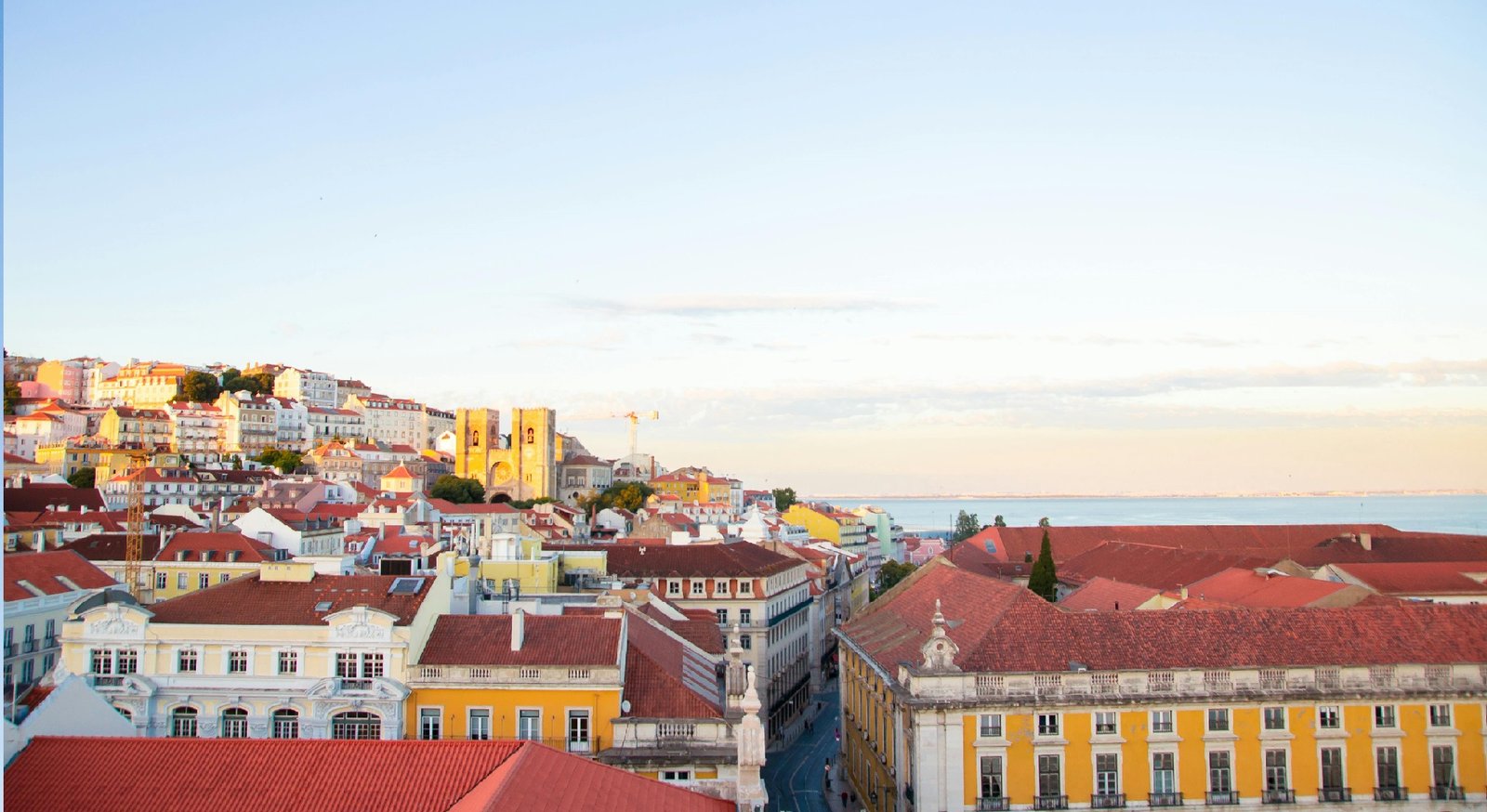
Lisbon, the capital city of Portugal, has a long and complex history marked by various conflicts and disputes. From the devastating earthquake of 1755 to the Carnation Revolution of 1974, Lisbon has been a witness to significant events that have shaped its past. One of the challenges in addressing historical conflicts is the lack of reliable and transparent documentation. Historical records are often incomplete, biased, or even fabricated, making it difficult to establish the truth and achieve reconciliation. This is where blockchain technology can offer a solution. Blockchain, as a decentralized and tamper-proof digital ledger, could provide a secure and transparent platform for storing historical data related to conflicts in Lisbon. By recording information such as eyewitness testimonies, official documents, and archaeological findings on the blockchain, researchers and historians can ensure the integrity and authenticity of the data. Moreover, blockchain technology allows for the creation of smart contracts, which are self-executing agreements based on predefined rules. In the context of historical conflicts, smart contracts could be used to establish consensus among stakeholders and automate the resolution process. For example, stakeholders could create a smart contract that outlines the terms of acknowledging past wrongs and committing to a peaceful reconciliation process. Another benefit of blockchain technology is its ability to facilitate decentralized decision-making and governance. By using blockchain-based voting mechanisms, communities affected by historical conflicts in Lisbon can participate in decision-making processes and have a say in how to address past injustices. In conclusion, blockchain technology has the potential to transform how we approach and resolve conflicts in history, including those related to Lisbon, Portugal. By leveraging the transparency, security, and decentralization of blockchain, we can create a more inclusive and accountable framework for dealing with the complexities of our past.
Leave a Comment:
SEARCH
Recent News
- Zurich is a vibrant city located in Switzerland and is well-known for its picturesque landscapes, rich history, and bustling business scene. The Spanish community in Zurich has been thriving, with many top companies from Spain making their mark in the city. These companies have not only contributed to the economy of Zurich but have also added diversity and innovation to the local business environment.
- Zurich, Switzerland is a vibrant city known for its stunning architecture, picturesque landscapes, and rich culture. One aspect of Zurich's cultural scene that often goes under the radar is its regional music. The city and its surrounding areas are home to a diverse range of musical styles, reflecting the multiculturalism and artistic diversity of the region.
- Top 5 Zurich Regional Movies You Must Watch
- Zurich, Switzerland: A Culinary Journey through Regional Cuisine
- Zurich, Switzerland is known for its rich culture and traditions, including traditional regional clothing that reflects the area's history and heritage. Swiss traditional clothing varies by region, with each area having its own unique style and designs. In Zurich, traditional Swiss clothing showcases a blend of functionality, craftsmanship, and aesthetics.
- Exploring Zurich: A Taste of Latin America in Switzerland
- Zurich, Switzerland is a vibrant city known for its stunning architecture, picturesque landscapes, and diverse culinary scene. While Swiss cuisine certainly holds a special place in the hearts of many locals and visitors, the city also boasts a variety of international dining options, including Latin American food.
- Zurich, Switzerland is a vibrant city known for its picturesque surroundings, high quality of life, and thriving multicultural community. Among the various expatriate communities that call Zurich home, the Latin American community stands out for its rich culture, lively traditions, and strong sense of community bonding.
READ MORE
1 year ago Category :

Zurich is a vibrant city located in Switzerland and is well-known for its picturesque landscapes, rich history, and bustling business scene. The Spanish community in Zurich has been thriving, with many top companies from Spain making their mark in the city. These companies have not only contributed to the economy of Zurich but have also added diversity and innovation to the local business environment.
Read More →1 year ago Category :

Zurich, Switzerland is a vibrant city known for its stunning architecture, picturesque landscapes, and rich culture. One aspect of Zurich's cultural scene that often goes under the radar is its regional music. The city and its surrounding areas are home to a diverse range of musical styles, reflecting the multiculturalism and artistic diversity of the region.
Read More →1 year ago Category :

Top 5 Zurich Regional Movies You Must Watch
Read More →1 year ago Category :
