The Intersection of Blockchain Technology, Corruption, and Religious Power in Lisbon, Portugal
Category : | Sub Category : Posted on 2024-10-05 22:25:23
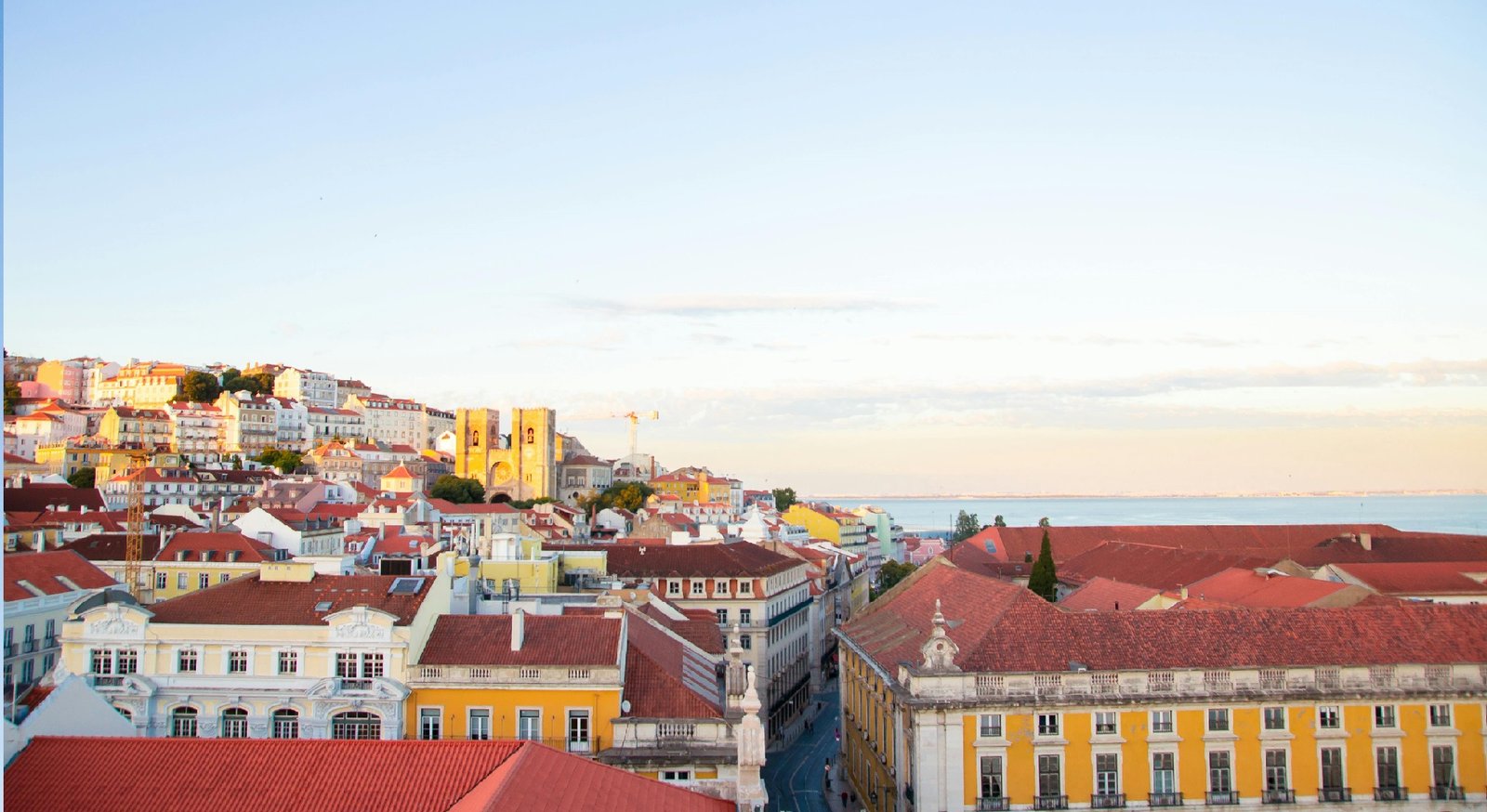
In recent years, as Blockchain technology has gained momentum across various industries, its impact on combating corruption and challenging traditional sources of power, such as religious institutions, has become a prominent topic of discussion. Lisbon, Portugal, with its rich history and cultural heritage, stands at the intersection of these dynamics, offering a unique perspective on how technology is reshaping societal structures. Blockchain technology, most commonly known for its role in enabling cryptocurrencies like Bitcoin, is essentially a decentralized and transparent system for recording transactions. Its cryptographic nature ensures the integrity and security of data, making it highly resistant to tampering or manipulation. In the context of corruption, blockchain has the potential to revolutionize accountability and trust by establishing a verifiable record of actions and transactions that cannot be altered retroactively. Portugal, like many other countries, has grappled with corruption at various levels of society, including within governmental institutions and religious organizations. The transparency and traceability offered by blockchain technology present a promising solution to combat these pervasive issues. By implementing blockchain-based systems for public procurement, voting processes, and financial transactions, Lisbon can significantly reduce opportunities for corruption and increase public trust in the integrity of governing bodies. Moreover, the influence of religious power in Lisbon, historically dominated by the Catholic Church, has faced scrutiny and challenges in the modern era. Blockchain technology's ability to decentralize authority and promote transparency poses a direct challenge to traditional hierarchies within religious institutions. By leveraging blockchain for donation tracking, accountability of religious leaders, and secure communication channels, Lisbon's religious landscape could undergo a transformation towards a more open and inclusive community. As Lisbon navigates the intersection of blockchain technology, corruption, and religious power, it is crucial for stakeholders to collaborate and innovate in adopting these disruptive solutions. While challenges undoubtedly exist in implementing such changes, the potential benefits for fostering a more accountable and equitable society are substantial. By embracing the transformative power of blockchain, Lisbon can pave the way for a future where corruption is minimized, and religious power is redefined in a more transparent and accountable manner. In conclusion, the convergence of blockchain technology, corruption, and religious power in Lisbon, Portugal, represents a pivotal moment in reshaping societal norms and structures. By embracing blockchain's potential for transparency and accountability, Lisbon has the opportunity to lead the way in combating corruption and redefining traditional power dynamics. Through collaborative efforts and innovative solutions, Lisbon can harness the disruptive forces of technology to build a more just and progressive society for future generations.
https://sunpowerpanels.com
https://religieuse.org
Leave a Comment:
SEARCH
Recent News
- Zurich is a vibrant city located in Switzerland and is well-known for its picturesque landscapes, rich history, and bustling business scene. The Spanish community in Zurich has been thriving, with many top companies from Spain making their mark in the city. These companies have not only contributed to the economy of Zurich but have also added diversity and innovation to the local business environment.
- Zurich, Switzerland is a vibrant city known for its stunning architecture, picturesque landscapes, and rich culture. One aspect of Zurich's cultural scene that often goes under the radar is its regional music. The city and its surrounding areas are home to a diverse range of musical styles, reflecting the multiculturalism and artistic diversity of the region.
- Top 5 Zurich Regional Movies You Must Watch
- Zurich, Switzerland: A Culinary Journey through Regional Cuisine
- Zurich, Switzerland is known for its rich culture and traditions, including traditional regional clothing that reflects the area's history and heritage. Swiss traditional clothing varies by region, with each area having its own unique style and designs. In Zurich, traditional Swiss clothing showcases a blend of functionality, craftsmanship, and aesthetics.
- Exploring Zurich: A Taste of Latin America in Switzerland
- Zurich, Switzerland is a vibrant city known for its stunning architecture, picturesque landscapes, and diverse culinary scene. While Swiss cuisine certainly holds a special place in the hearts of many locals and visitors, the city also boasts a variety of international dining options, including Latin American food.
- Zurich, Switzerland is a vibrant city known for its picturesque surroundings, high quality of life, and thriving multicultural community. Among the various expatriate communities that call Zurich home, the Latin American community stands out for its rich culture, lively traditions, and strong sense of community bonding.
READ MORE
1 year ago Category :

Zurich is a vibrant city located in Switzerland and is well-known for its picturesque landscapes, rich history, and bustling business scene. The Spanish community in Zurich has been thriving, with many top companies from Spain making their mark in the city. These companies have not only contributed to the economy of Zurich but have also added diversity and innovation to the local business environment.
Read More →1 year ago Category :

Zurich, Switzerland is a vibrant city known for its stunning architecture, picturesque landscapes, and rich culture. One aspect of Zurich's cultural scene that often goes under the radar is its regional music. The city and its surrounding areas are home to a diverse range of musical styles, reflecting the multiculturalism and artistic diversity of the region.
Read More →1 year ago Category :

Top 5 Zurich Regional Movies You Must Watch
Read More →1 year ago Category :
