Exploring the Intersection of Blockchain Games and Lisbon's Stunning Architecture
Category : | Sub Category : Posted on 2024-10-05 22:25:23
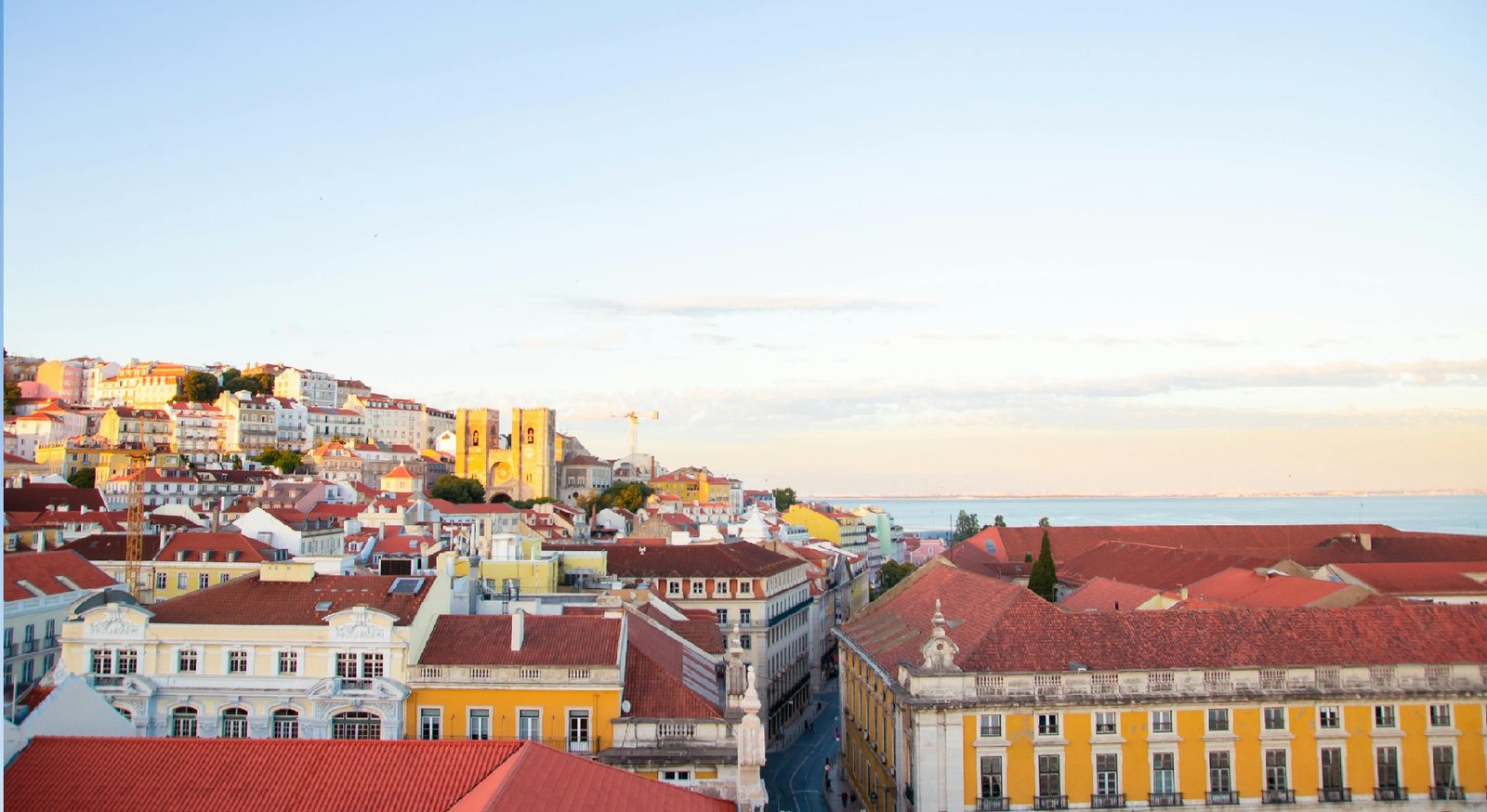
As technology continues to revolutionize different industries, the world of gaming has seen a significant transformation with the rise of blockchain games. These games utilize blockchain technology to provide players with unique experiences, ownership of in-game assets, and a decentralized gaming ecosystem. At the same time, the city of Lisbon, Portugal, is renowned for its rich history and stunning architecture, making it a perfect backdrop for exploring the potential synergy between blockchain games and architectural wonders. Lisbon's architecture, with its mix of historic buildings, contemporary structures, and vibrant street art, offers a diverse and visually captivating landscape that can inspire creativity in game design. The city's iconic landmarks such as the Belém Tower, Jerónimos Monastery, and the Alfama district with its narrow streets and colorful houses could serve as fascinating settings for blockchain games. Imagine exploring a virtual world where players can interact with these architectural marvels, uncover hidden secrets, and embark on thrilling quests inspired by Lisbon's history and culture. Furthermore, Lisbon's vibrant tech scene and growing interest in blockchain technology create a fertile ground for the development and adoption of blockchain games. The city's supportive community of developers, entrepreneurs, and blockchain enthusiasts provide a valuable network for collaboration and innovation in the gaming industry. With events like Web Summit bringing together tech enthusiasts from around the world, Lisbon has established itself as a hub for cutting-edge technologies, including blockchain and cryptocurrencies. Incorporating Lisbon's architectural wonders into blockchain games can also offer new opportunities for tourism and cultural exchange. By showcasing the city's unique landmarks and cultural heritage in virtual worlds, blockchain games can attract players from across the globe to explore and appreciate Lisbon's beauty. Players could immerse themselves in a digital recreation of Lisbon's streets, squares, and buildings, fostering a greater understanding and appreciation for the city's architectural legacy. Moreover, the use of blockchain technology in games can introduce innovative gameplay mechanics and economic models that empower players with true ownership of their in-game assets. By utilizing blockchain-based tokens and smart contracts, players can buy, sell, and trade virtual items securely, transparently, and independently of game developers. This opens up new avenues for monetization, community engagement, and player-driven economies within blockchain games set in Lisbon's architectural landscape. In conclusion, the fusion of blockchain games and Lisbon's stunning architecture presents an exciting opportunity to blend technology, culture, and creativity in a unique and immersive gaming experience. By leveraging the city's architectural heritage, tech-savvy community, and blockchain-friendly environment, developers can create compelling virtual worlds that captivate players and showcase the beauty of Lisbon to a global audience. With innovation and imagination as guiding principles, the future of blockchain games set in Lisbon holds tremendous promise for both gamers and architecture enthusiasts alike.
Leave a Comment:
SEARCH
Recent News
- Zurich is a vibrant city located in Switzerland and is well-known for its picturesque landscapes, rich history, and bustling business scene. The Spanish community in Zurich has been thriving, with many top companies from Spain making their mark in the city. These companies have not only contributed to the economy of Zurich but have also added diversity and innovation to the local business environment.
- Zurich, Switzerland is a vibrant city known for its stunning architecture, picturesque landscapes, and rich culture. One aspect of Zurich's cultural scene that often goes under the radar is its regional music. The city and its surrounding areas are home to a diverse range of musical styles, reflecting the multiculturalism and artistic diversity of the region.
- Top 5 Zurich Regional Movies You Must Watch
- Zurich, Switzerland: A Culinary Journey through Regional Cuisine
- Zurich, Switzerland is known for its rich culture and traditions, including traditional regional clothing that reflects the area's history and heritage. Swiss traditional clothing varies by region, with each area having its own unique style and designs. In Zurich, traditional Swiss clothing showcases a blend of functionality, craftsmanship, and aesthetics.
- Exploring Zurich: A Taste of Latin America in Switzerland
- Zurich, Switzerland is a vibrant city known for its stunning architecture, picturesque landscapes, and diverse culinary scene. While Swiss cuisine certainly holds a special place in the hearts of many locals and visitors, the city also boasts a variety of international dining options, including Latin American food.
- Zurich, Switzerland is a vibrant city known for its picturesque surroundings, high quality of life, and thriving multicultural community. Among the various expatriate communities that call Zurich home, the Latin American community stands out for its rich culture, lively traditions, and strong sense of community bonding.
READ MORE
1 year ago Category :

Zurich is a vibrant city located in Switzerland and is well-known for its picturesque landscapes, rich history, and bustling business scene. The Spanish community in Zurich has been thriving, with many top companies from Spain making their mark in the city. These companies have not only contributed to the economy of Zurich but have also added diversity and innovation to the local business environment.
Read More →1 year ago Category :

Zurich, Switzerland is a vibrant city known for its stunning architecture, picturesque landscapes, and rich culture. One aspect of Zurich's cultural scene that often goes under the radar is its regional music. The city and its surrounding areas are home to a diverse range of musical styles, reflecting the multiculturalism and artistic diversity of the region.
Read More →1 year ago Category :

Top 5 Zurich Regional Movies You Must Watch
Read More →1 year ago Category :
