Exploring the Rise of Blockchain Games in Lisbon, Portugal and Nigeria
Category : | Sub Category : Posted on 2024-10-05 22:25:23
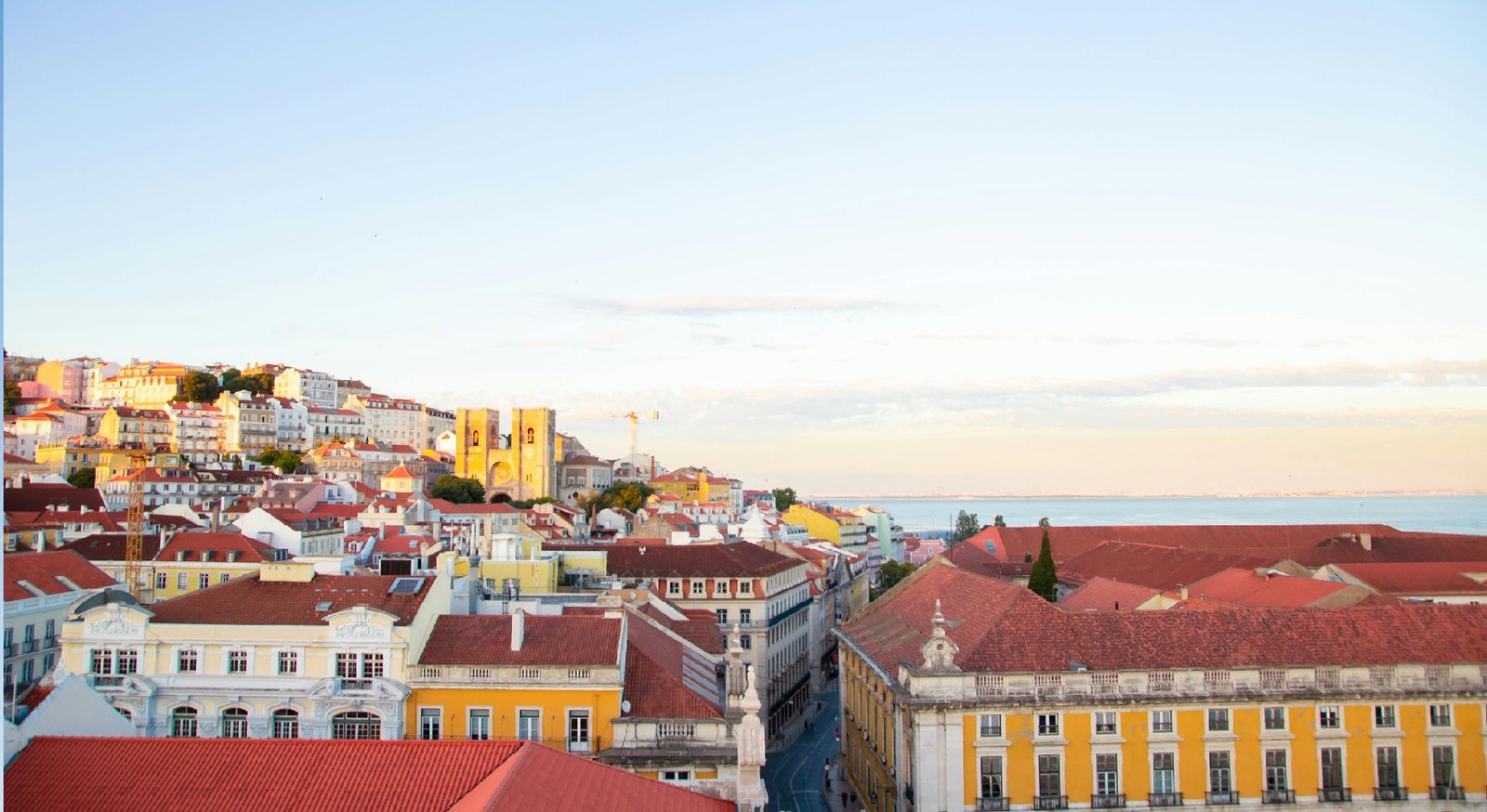
In recent years, the world of gaming has been revolutionized by blockchain technology, and this innovation has not gone unnoticed in both Lisbon, Portugal, and Nigeria. The concept of blockchain games, which are decentralized applications built on blockchain technology, has gained tremendous popularity among gamers and technology enthusiasts alike. Let's delve into how these two regions are embracing blockchain games and the impact it is having on their respective gaming communities. Lisbon, Portugal, known for its vibrant culture and rapidly growing tech scene, has become a hub for blockchain technology and gaming development. The city's thriving startup ecosystem has paved the way for several blockchain gaming companies to establish their presence in the region. These companies are leveraging the transparency, security, and immutability of blockchain technology to create innovative gaming experiences that empower players with true ownership of in-game assets. One of the key aspects that make blockchain games stand out is the concept of non-fungible tokens (NFTs). NFTs are unique digital assets that are verifiable on the blockchain, allowing gamers to truly own and trade their in-game items with other players. This gives rise to a new era of gaming where players are no longer limited to the confines of a centralized gaming platform but can interact with a diverse ecosystem of games and assets across different platforms. Nigeria, on the other hand, has also seen a surge in interest in blockchain games among its tech-savvy population. With a large and growing youth demographic that is enthusiastic about technology and gaming, Nigeria presents a fertile ground for the adoption of blockchain games. The decentralized nature of blockchain games aligns well with the desire for financial inclusion and empowerment among Nigerians, providing them with opportunities to earn real value through gaming. Moreover, blockchain games have the potential to foster creativity and entrepreneurship within the gaming community in Nigeria. By allowing players to create, own, and monetize their in-game assets, blockchain games offer a level playing field for developers and players to participate in a decentralized economy that operates on trust and transparency. As the popularity of blockchain games continues to grow in Lisbon, Portugal, and Nigeria, it is evident that this innovative technology is reshaping the gaming industry and creating new opportunities for players and developers alike. By embracing blockchain games, these regions are not only showcasing their forward-thinking approach to technology but also opening up a world of possibilities for the future of gaming. In conclusion, the rise of blockchain games in Lisbon, Portugal, and Nigeria signifies a shift towards a more decentralized and player-centric gaming landscape. As more players and developers embrace this technology, we can expect to see a wave of innovation and creativity that will redefine the way we play and experience games in the years to come.
Leave a Comment:
SEARCH
Recent News
- Zurich is a vibrant city located in Switzerland and is well-known for its picturesque landscapes, rich history, and bustling business scene. The Spanish community in Zurich has been thriving, with many top companies from Spain making their mark in the city. These companies have not only contributed to the economy of Zurich but have also added diversity and innovation to the local business environment.
- Zurich, Switzerland is a vibrant city known for its stunning architecture, picturesque landscapes, and rich culture. One aspect of Zurich's cultural scene that often goes under the radar is its regional music. The city and its surrounding areas are home to a diverse range of musical styles, reflecting the multiculturalism and artistic diversity of the region.
- Top 5 Zurich Regional Movies You Must Watch
- Zurich, Switzerland: A Culinary Journey through Regional Cuisine
- Zurich, Switzerland is known for its rich culture and traditions, including traditional regional clothing that reflects the area's history and heritage. Swiss traditional clothing varies by region, with each area having its own unique style and designs. In Zurich, traditional Swiss clothing showcases a blend of functionality, craftsmanship, and aesthetics.
- Exploring Zurich: A Taste of Latin America in Switzerland
- Zurich, Switzerland is a vibrant city known for its stunning architecture, picturesque landscapes, and diverse culinary scene. While Swiss cuisine certainly holds a special place in the hearts of many locals and visitors, the city also boasts a variety of international dining options, including Latin American food.
- Zurich, Switzerland is a vibrant city known for its picturesque surroundings, high quality of life, and thriving multicultural community. Among the various expatriate communities that call Zurich home, the Latin American community stands out for its rich culture, lively traditions, and strong sense of community bonding.
READ MORE
1 year ago Category :

Zurich is a vibrant city located in Switzerland and is well-known for its picturesque landscapes, rich history, and bustling business scene. The Spanish community in Zurich has been thriving, with many top companies from Spain making their mark in the city. These companies have not only contributed to the economy of Zurich but have also added diversity and innovation to the local business environment.
Read More →1 year ago Category :

Zurich, Switzerland is a vibrant city known for its stunning architecture, picturesque landscapes, and rich culture. One aspect of Zurich's cultural scene that often goes under the radar is its regional music. The city and its surrounding areas are home to a diverse range of musical styles, reflecting the multiculturalism and artistic diversity of the region.
Read More →1 year ago Category :

Top 5 Zurich Regional Movies You Must Watch
Read More →1 year ago Category :
