The Role of Blockchain Technology in Urban Redevelopment: A Case Study of Lisbon, Portugal
Category : | Sub Category : Posted on 2024-10-05 22:25:23
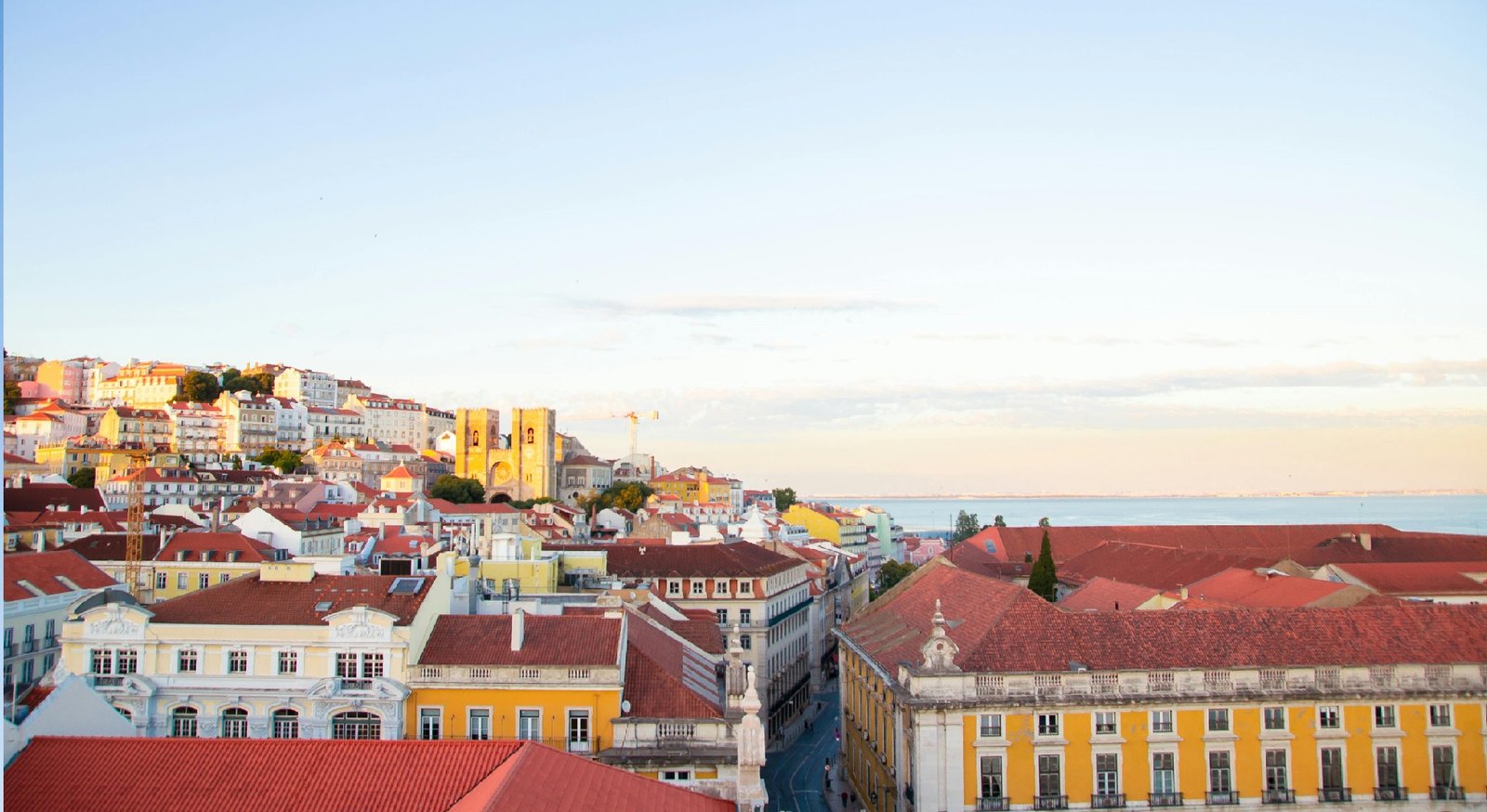
Urban redevelopment is a critical aspect of city planning as it involves the revitalization and transformation of existing urban areas to meet the needs of modern society. In recent years, cities around the world have been exploring innovative technologies to enhance the efficiency and sustainability of urban redevelopment projects. One such technology that has gained significant attention is blockchain. Blockchain technology, originally developed for the cryptocurrency Bitcoin, has evolved into a versatile tool that can be applied to various sectors, including urban redevelopment. By utilizing blockchain technology, cities can streamline processes, enhance transparency, and promote trust among stakeholders involved in urban redevelopment projects. Lisbon, the vibrant capital city of Portugal, has been at the forefront of embracing blockchain technology in urban redevelopment initiatives. With its rich history and cultural heritage, Lisbon is undergoing a rapid transformation to meet the demands of a growing population and changing urban landscape. Blockchain technology is being integrated into various aspects of urban redevelopment in Lisbon to drive efficiency and innovation. One of the key areas where blockchain technology is making a significant impact in Lisbon's urban redevelopment is in property management and land registry. By using blockchain-based platforms, the city government can securely store and manage property records, streamline transactions, and reduce the risk of fraud. This not only simplifies the process of acquiring and transferring property but also increases transparency and accountability in the real estate sector. Furthermore, blockchain technology is being leveraged to facilitate digital identity verification, enabling residents to securely access public services and participate in urban redevelopment initiatives. Through blockchain-based systems, residents can have greater control over their personal data and participate in decision-making processes related to urban planning and development. Moreover, blockchain technology enables the creation of smart contracts, self-executing agreements that automatically enforce the terms of a contract. In urban redevelopment projects, smart contracts can streamline transactions, eliminate intermediaries, and ensure that all parties involved comply with the agreed-upon terms. This not only reduces administrative costs but also enhances trust and efficiency in project delivery. In conclusion, the integration of blockchain technology in urban redevelopment projects presents a transformative opportunity for cities like Lisbon, Portugal. By harnessing the power of blockchain, cities can revolutionize the way urban spaces are developed, managed, and experienced. As Lisbon continues to embrace blockchain technology, it is poised to become a model city for sustainable and innovative urban redevelopment practices.
https://desencadenar.org
https://constructional.org
Leave a Comment:
SEARCH
Recent News
- Zurich is a vibrant city located in Switzerland and is well-known for its picturesque landscapes, rich history, and bustling business scene. The Spanish community in Zurich has been thriving, with many top companies from Spain making their mark in the city. These companies have not only contributed to the economy of Zurich but have also added diversity and innovation to the local business environment.
- Zurich, Switzerland is a vibrant city known for its stunning architecture, picturesque landscapes, and rich culture. One aspect of Zurich's cultural scene that often goes under the radar is its regional music. The city and its surrounding areas are home to a diverse range of musical styles, reflecting the multiculturalism and artistic diversity of the region.
- Top 5 Zurich Regional Movies You Must Watch
- Zurich, Switzerland: A Culinary Journey through Regional Cuisine
- Zurich, Switzerland is known for its rich culture and traditions, including traditional regional clothing that reflects the area's history and heritage. Swiss traditional clothing varies by region, with each area having its own unique style and designs. In Zurich, traditional Swiss clothing showcases a blend of functionality, craftsmanship, and aesthetics.
- Exploring Zurich: A Taste of Latin America in Switzerland
- Zurich, Switzerland is a vibrant city known for its stunning architecture, picturesque landscapes, and diverse culinary scene. While Swiss cuisine certainly holds a special place in the hearts of many locals and visitors, the city also boasts a variety of international dining options, including Latin American food.
- Zurich, Switzerland is a vibrant city known for its picturesque surroundings, high quality of life, and thriving multicultural community. Among the various expatriate communities that call Zurich home, the Latin American community stands out for its rich culture, lively traditions, and strong sense of community bonding.
READ MORE
1 year ago Category :

Zurich is a vibrant city located in Switzerland and is well-known for its picturesque landscapes, rich history, and bustling business scene. The Spanish community in Zurich has been thriving, with many top companies from Spain making their mark in the city. These companies have not only contributed to the economy of Zurich but have also added diversity and innovation to the local business environment.
Read More →1 year ago Category :

Zurich, Switzerland is a vibrant city known for its stunning architecture, picturesque landscapes, and rich culture. One aspect of Zurich's cultural scene that often goes under the radar is its regional music. The city and its surrounding areas are home to a diverse range of musical styles, reflecting the multiculturalism and artistic diversity of the region.
Read More →1 year ago Category :

Top 5 Zurich Regional Movies You Must Watch
Read More →1 year ago Category :
