Exploring Education and Literature: A Journey from Cameroon to Lisbon, Portugal
Category : | Sub Category : Posted on 2024-10-05 22:25:23
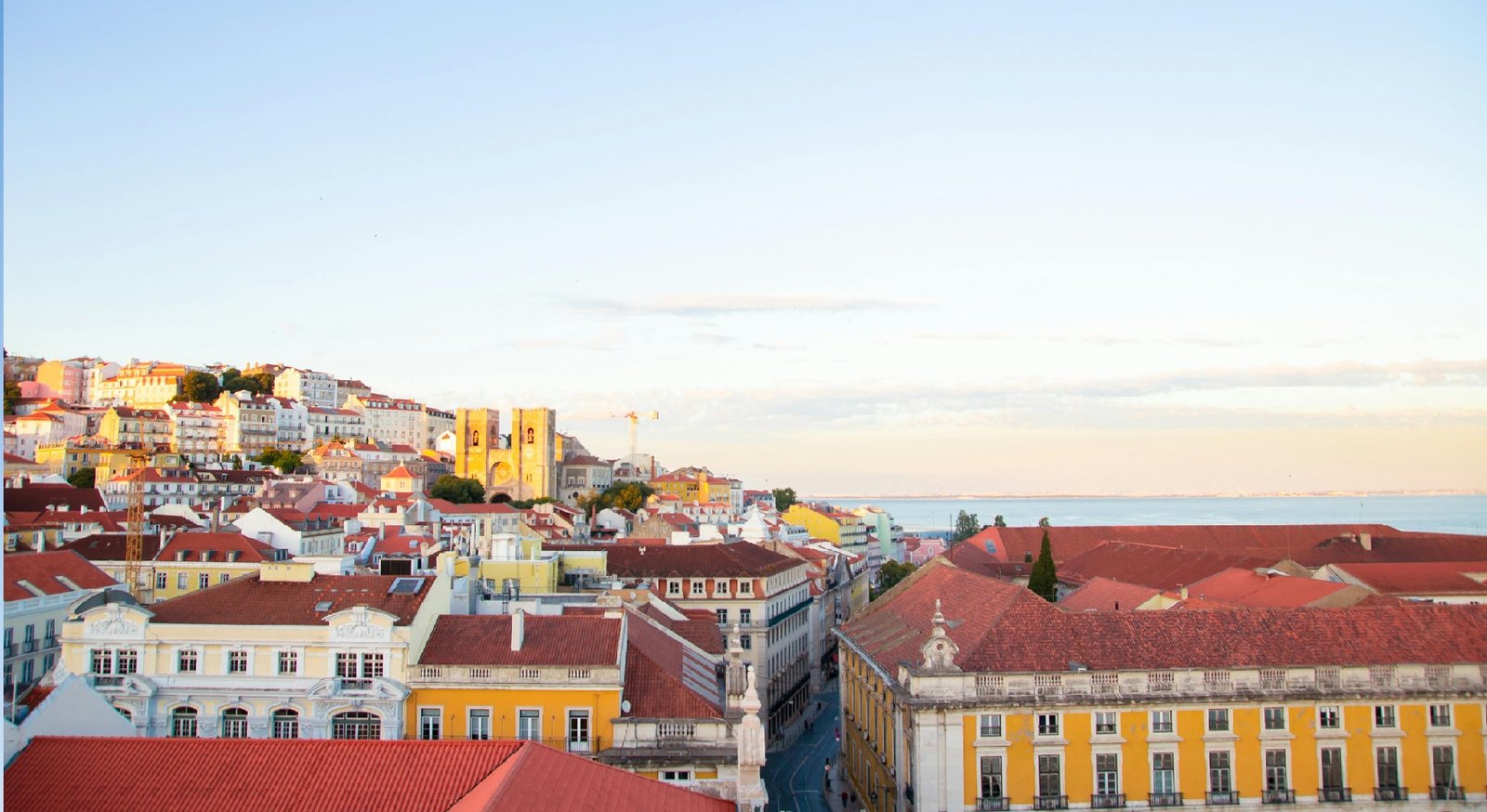
In the realm of education and literature, the diversity and richness of experiences from different cultures across the globe offer a unique perspective and insight into the world. Today, let's embark on a journey from Cameroon to Lisbon, Portugal, exploring the intersection of education and books in these two fascinating contexts. Cameroon, a country known for its cultural and linguistic diversity, has a rich literary tradition that reflects its complex history and vibrant society. The educational landscape in Cameroon is evolving, with efforts to improve access to quality education for all. Literature plays a crucial role in shaping the minds of the young generation and fostering a sense of identity and belonging. In Cameroon, educational initiatives often emphasize the importance of reading and storytelling as a means of preserving cultural heritage and nurturing a love for learning. Books written by Cameroonian authors showcase the country's unique perspectives and narratives, shedding light on issues such as colonization, cultural identity, and social change. Transitioning to Lisbon, Portugal, a city steeped in history and known for its vibrant literary scene, we discover a different educational setting that values creativity, critical thinking, and innovation. Portugal's education system emphasizes the importance of literature in shaping a well-rounded individual and fostering a deep understanding of the world. Lisbon's historic bookstores and cultural institutions provide a haven for book lovers and intellectuals, where literary events and discussions contribute to a dynamic intellectual atmosphere. Portuguese literature, with its rich tradition dating back centuries, offers a glimpse into the country's past, present, and future aspirations. As we bridge the gap between Cameroon and Lisbon, we can appreciate the universal power of education and literature to transcend borders and connect people from diverse backgrounds. Both Cameroon and Portugal offer valuable insights into the ways in which education and books shape societies, inspire individuals, and drive social change. Whether delving into Cameroonian novels that explore the complexities of identity or immersing oneself in Portuguese poetry that captures the essence of a nation, the journey from Cameroon to Lisbon illuminates the transformative power of education and literature in enriching our lives and broadening our perspectives. In conclusion, by exploring the educational landscapes and literary traditions of Cameroon and Lisbon, we gain a deeper appreciation for the multifaceted ways in which books serve as a conduit for knowledge, understanding, and interconnectedness in our ever-evolving world. Let us continue to celebrate the beauty of learning and storytelling, embracing the diversity of voices that shape our global narrative.
Leave a Comment:
SEARCH
Recent News
- Zurich is a vibrant city located in Switzerland and is well-known for its picturesque landscapes, rich history, and bustling business scene. The Spanish community in Zurich has been thriving, with many top companies from Spain making their mark in the city. These companies have not only contributed to the economy of Zurich but have also added diversity and innovation to the local business environment.
- Zurich, Switzerland is a vibrant city known for its stunning architecture, picturesque landscapes, and rich culture. One aspect of Zurich's cultural scene that often goes under the radar is its regional music. The city and its surrounding areas are home to a diverse range of musical styles, reflecting the multiculturalism and artistic diversity of the region.
- Top 5 Zurich Regional Movies You Must Watch
- Zurich, Switzerland: A Culinary Journey through Regional Cuisine
- Zurich, Switzerland is known for its rich culture and traditions, including traditional regional clothing that reflects the area's history and heritage. Swiss traditional clothing varies by region, with each area having its own unique style and designs. In Zurich, traditional Swiss clothing showcases a blend of functionality, craftsmanship, and aesthetics.
- Exploring Zurich: A Taste of Latin America in Switzerland
- Zurich, Switzerland is a vibrant city known for its stunning architecture, picturesque landscapes, and diverse culinary scene. While Swiss cuisine certainly holds a special place in the hearts of many locals and visitors, the city also boasts a variety of international dining options, including Latin American food.
- Zurich, Switzerland is a vibrant city known for its picturesque surroundings, high quality of life, and thriving multicultural community. Among the various expatriate communities that call Zurich home, the Latin American community stands out for its rich culture, lively traditions, and strong sense of community bonding.
READ MORE
1 year ago Category :

Zurich is a vibrant city located in Switzerland and is well-known for its picturesque landscapes, rich history, and bustling business scene. The Spanish community in Zurich has been thriving, with many top companies from Spain making their mark in the city. These companies have not only contributed to the economy of Zurich but have also added diversity and innovation to the local business environment.
Read More →1 year ago Category :

Zurich, Switzerland is a vibrant city known for its stunning architecture, picturesque landscapes, and rich culture. One aspect of Zurich's cultural scene that often goes under the radar is its regional music. The city and its surrounding areas are home to a diverse range of musical styles, reflecting the multiculturalism and artistic diversity of the region.
Read More →1 year ago Category :

Top 5 Zurich Regional Movies You Must Watch
Read More →1 year ago Category :
