The topic of books hyperinflation in Lisbon, Portugal brings to light a fascinating intersection between literature and economic history. The concept of hyperinflation, which refers to a rapid and uncontrollable increase in prices, can have profound effects on various sectors, including the book industry. In the context of Lisbon, a city with a rich literary heritage, the impact of hyperinflation on the availability and affordability of books is particularly noteworthy.
Category : | Sub Category : Posted on 2024-10-05 22:25:23
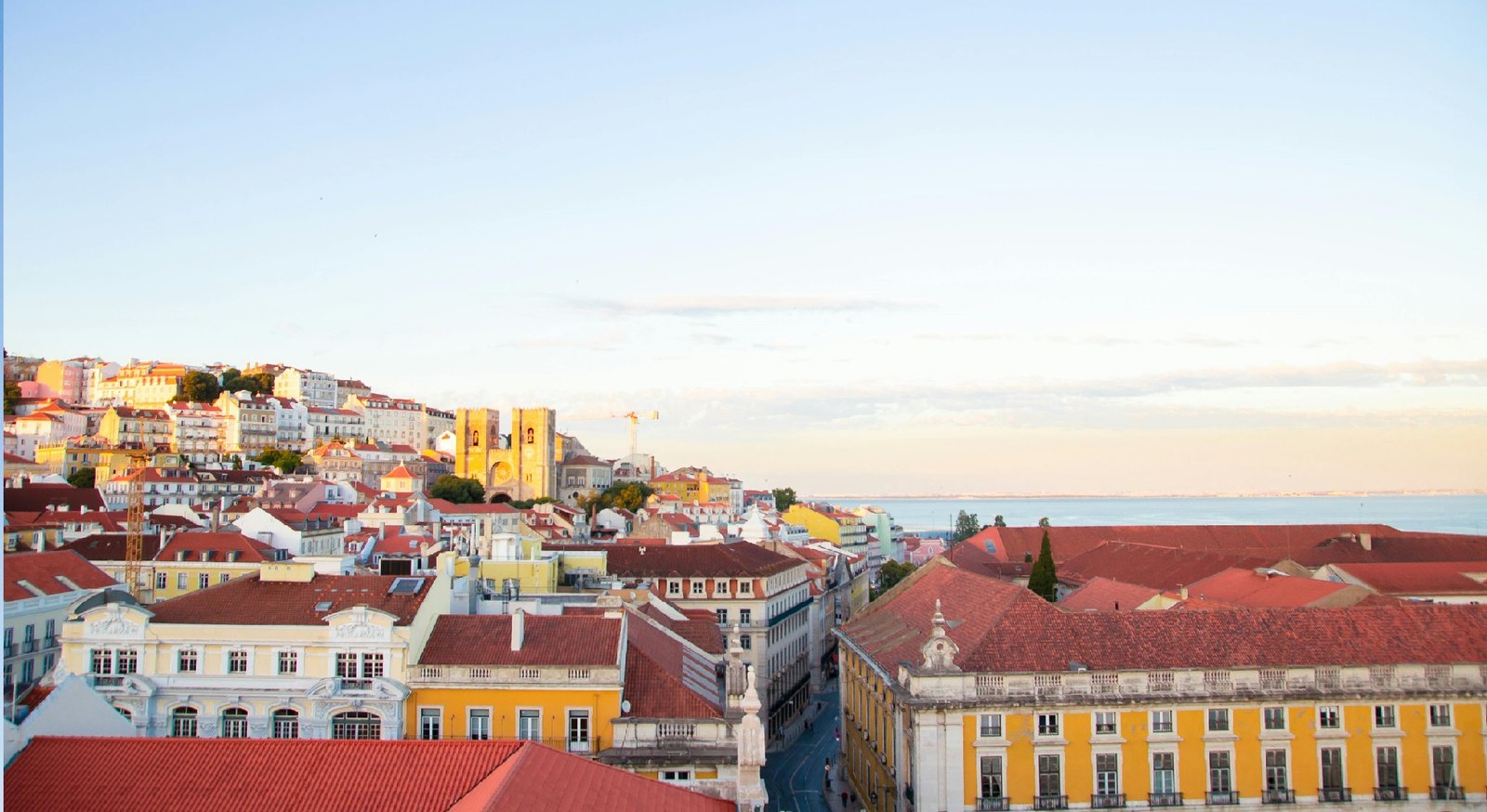
During times of hyperinflation, the value of a currency rapidly declines, leading to a situation where prices rise sharply. This can make it increasingly difficult for individuals to purchase goods and services, including books. In Lisbon, the effects of hyperinflation on the book market would likely have been significant. Readers may have found it challenging to afford new books, while publishers and bookstores may have struggled to stay afloat as costs soared. The scarcity of books during periods of hyperinflation can also have broader consequences for society. Access to knowledge and information may be limited, hindering education and intellectual growth. For a city like Lisbon, with a strong literary tradition dating back centuries, a shortage of books could have had profound cultural ramifications. Despite the challenges posed by hyperinflation, the resilience of the book industry should not be underestimated. Throughout history, books have continued to be cherished and sought after, even in the face of economic turmoil. Readers and collectors alike may have found creative ways to navigate the difficulties of hyperinflation, such as seeking out second-hand books or participating in book-sharing initiatives. In conclusion, the topic of books hyperinflation in Lisbon, Portugal invites us to consider the intricate relationship between economics and literature. While hyperinflation can present significant obstacles for the book industry, it also showcases the enduring value of books as repositories of knowledge and sources of inspiration. By exploring this intersection, we gain a deeper understanding of how economic forces can shape our access to literature and culture.
Leave a Comment:
SEARCH
Recent News
- Zurich is a vibrant city located in Switzerland and is well-known for its picturesque landscapes, rich history, and bustling business scene. The Spanish community in Zurich has been thriving, with many top companies from Spain making their mark in the city. These companies have not only contributed to the economy of Zurich but have also added diversity and innovation to the local business environment.
- Zurich, Switzerland is a vibrant city known for its stunning architecture, picturesque landscapes, and rich culture. One aspect of Zurich's cultural scene that often goes under the radar is its regional music. The city and its surrounding areas are home to a diverse range of musical styles, reflecting the multiculturalism and artistic diversity of the region.
- Top 5 Zurich Regional Movies You Must Watch
- Zurich, Switzerland: A Culinary Journey through Regional Cuisine
- Zurich, Switzerland is known for its rich culture and traditions, including traditional regional clothing that reflects the area's history and heritage. Swiss traditional clothing varies by region, with each area having its own unique style and designs. In Zurich, traditional Swiss clothing showcases a blend of functionality, craftsmanship, and aesthetics.
- Exploring Zurich: A Taste of Latin America in Switzerland
- Zurich, Switzerland is a vibrant city known for its stunning architecture, picturesque landscapes, and diverse culinary scene. While Swiss cuisine certainly holds a special place in the hearts of many locals and visitors, the city also boasts a variety of international dining options, including Latin American food.
- Zurich, Switzerland is a vibrant city known for its picturesque surroundings, high quality of life, and thriving multicultural community. Among the various expatriate communities that call Zurich home, the Latin American community stands out for its rich culture, lively traditions, and strong sense of community bonding.
READ MORE
1 year ago Category :

Zurich is a vibrant city located in Switzerland and is well-known for its picturesque landscapes, rich history, and bustling business scene. The Spanish community in Zurich has been thriving, with many top companies from Spain making their mark in the city. These companies have not only contributed to the economy of Zurich but have also added diversity and innovation to the local business environment.
Read More →1 year ago Category :

Zurich, Switzerland is a vibrant city known for its stunning architecture, picturesque landscapes, and rich culture. One aspect of Zurich's cultural scene that often goes under the radar is its regional music. The city and its surrounding areas are home to a diverse range of musical styles, reflecting the multiculturalism and artistic diversity of the region.
Read More →1 year ago Category :

Top 5 Zurich Regional Movies You Must Watch
Read More →1 year ago Category :
