Exploring the Intersection of Women in Politics Through Books in Lisbon, Portugal
Category : | Sub Category : Posted on 2024-10-05 22:25:23
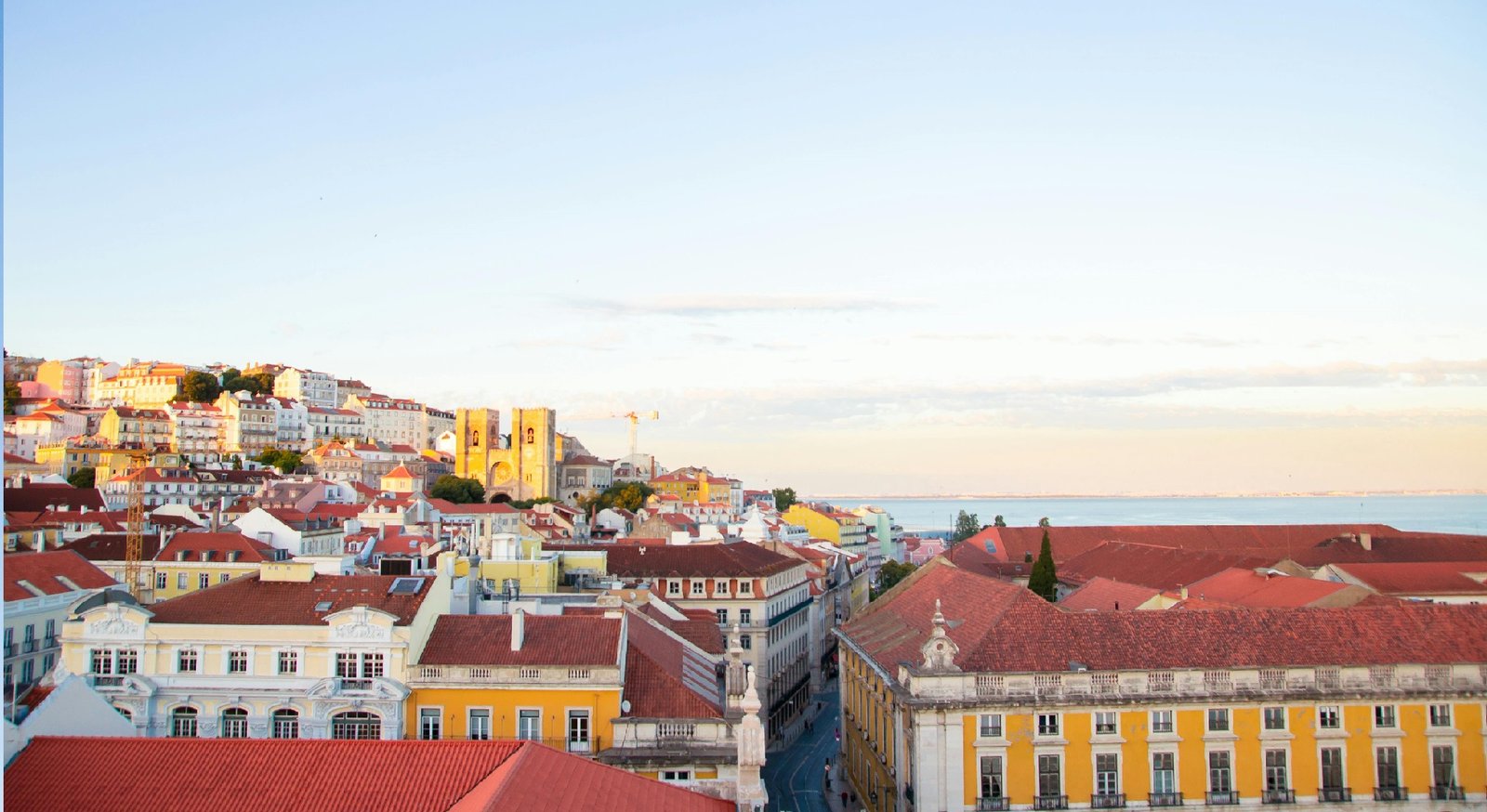
Lisbon, the charming capital of Portugal with its cobbled streets, historic buildings, and vibrant culture, has a rich history of women making strides in politics. From pioneering politicians to grassroots activists, Lisbon has been a hub for women striving to create a more inclusive and equitable society. In this blog post, we will delve into the world of women in politics through the lens of books and explore how Lisbon has been a fertile ground for these discussions. Books have always been a powerful medium for exploring complex social issues, and the topic of women in politics is no exception. In Lisbon, bookstores and libraries are filled with narratives of women who have challenged the status quo, shattered glass ceilings, and paved the way for future generations of female leaders. From autobiographies of trailblazing politicians to in-depth analyses of gender dynamics in politics, these books offer valuable insights into the challenges and triumphs of women in the political sphere. One such book is "The Second Sex" by Simone de Beauvoir, a seminal work in feminist philosophy that explores the concept of womanhood and the societal structures that have historically oppressed women. While not specific to politics, this book provides a foundational understanding of the gender dynamics that play out in all aspects of society, including the political realm. Another must-read for anyone interested in women in politics is "Women, Politics, and Power" by Pamela Paxton and Melanie Hughes. This book provides a comprehensive overview of women's political representation around the world, examining the factors that shape women's participation in politics and the impact they have once in power. In Lisbon, bookshops like Ler Devagar and Livraria Ler offer a selection of books focusing on women in politics, feminism, and gender equality. These spaces serve as vital hubs for discussions and debates on these important topics, bringing together readers, activists, and politicians to exchange ideas and knowledge. Moreover, Lisbon has a dynamic political landscape with several women holding key positions in government and actively advocating for gender equality and women's rights. From Mayor Fernando Medina to members of Parliament like Mariana Vieira da Silva, women in Lisbon are making their voices heard and driving positive change in the political arena. As we immerse ourselves in the world of women in politics through books in Lisbon, it becomes clear that while progress has been made, there is still much work to be done to achieve true gender equality in the political sphere. By amplifying the voices of women, advocating for inclusive policies, and challenging systemic barriers, we can create a more equitable and representative political landscape for all. In conclusion, books serve as powerful tools for exploring the intersection of women in politics, shedding light on the challenges and triumphs that women face in their quest for equality and representation. In Lisbon, a city steeped in history and change, women continue to defy expectations and reshape the political landscape, inspiring future generations to follow in their footsteps.
Leave a Comment:
SEARCH
Recent News
- Zurich is a vibrant city located in Switzerland and is well-known for its picturesque landscapes, rich history, and bustling business scene. The Spanish community in Zurich has been thriving, with many top companies from Spain making their mark in the city. These companies have not only contributed to the economy of Zurich but have also added diversity and innovation to the local business environment.
- Zurich, Switzerland is a vibrant city known for its stunning architecture, picturesque landscapes, and rich culture. One aspect of Zurich's cultural scene that often goes under the radar is its regional music. The city and its surrounding areas are home to a diverse range of musical styles, reflecting the multiculturalism and artistic diversity of the region.
- Top 5 Zurich Regional Movies You Must Watch
- Zurich, Switzerland: A Culinary Journey through Regional Cuisine
- Zurich, Switzerland is known for its rich culture and traditions, including traditional regional clothing that reflects the area's history and heritage. Swiss traditional clothing varies by region, with each area having its own unique style and designs. In Zurich, traditional Swiss clothing showcases a blend of functionality, craftsmanship, and aesthetics.
- Exploring Zurich: A Taste of Latin America in Switzerland
- Zurich, Switzerland is a vibrant city known for its stunning architecture, picturesque landscapes, and diverse culinary scene. While Swiss cuisine certainly holds a special place in the hearts of many locals and visitors, the city also boasts a variety of international dining options, including Latin American food.
- Zurich, Switzerland is a vibrant city known for its picturesque surroundings, high quality of life, and thriving multicultural community. Among the various expatriate communities that call Zurich home, the Latin American community stands out for its rich culture, lively traditions, and strong sense of community bonding.
READ MORE
1 year ago Category :

Zurich is a vibrant city located in Switzerland and is well-known for its picturesque landscapes, rich history, and bustling business scene. The Spanish community in Zurich has been thriving, with many top companies from Spain making their mark in the city. These companies have not only contributed to the economy of Zurich but have also added diversity and innovation to the local business environment.
Read More →1 year ago Category :

Zurich, Switzerland is a vibrant city known for its stunning architecture, picturesque landscapes, and rich culture. One aspect of Zurich's cultural scene that often goes under the radar is its regional music. The city and its surrounding areas are home to a diverse range of musical styles, reflecting the multiculturalism and artistic diversity of the region.
Read More →1 year ago Category :

Top 5 Zurich Regional Movies You Must Watch
Read More →1 year ago Category :
