Contrasting Education Systems in Cameroon, Lisbon, and Abu Dhabi
Category : | Sub Category : Posted on 2024-10-05 22:25:23
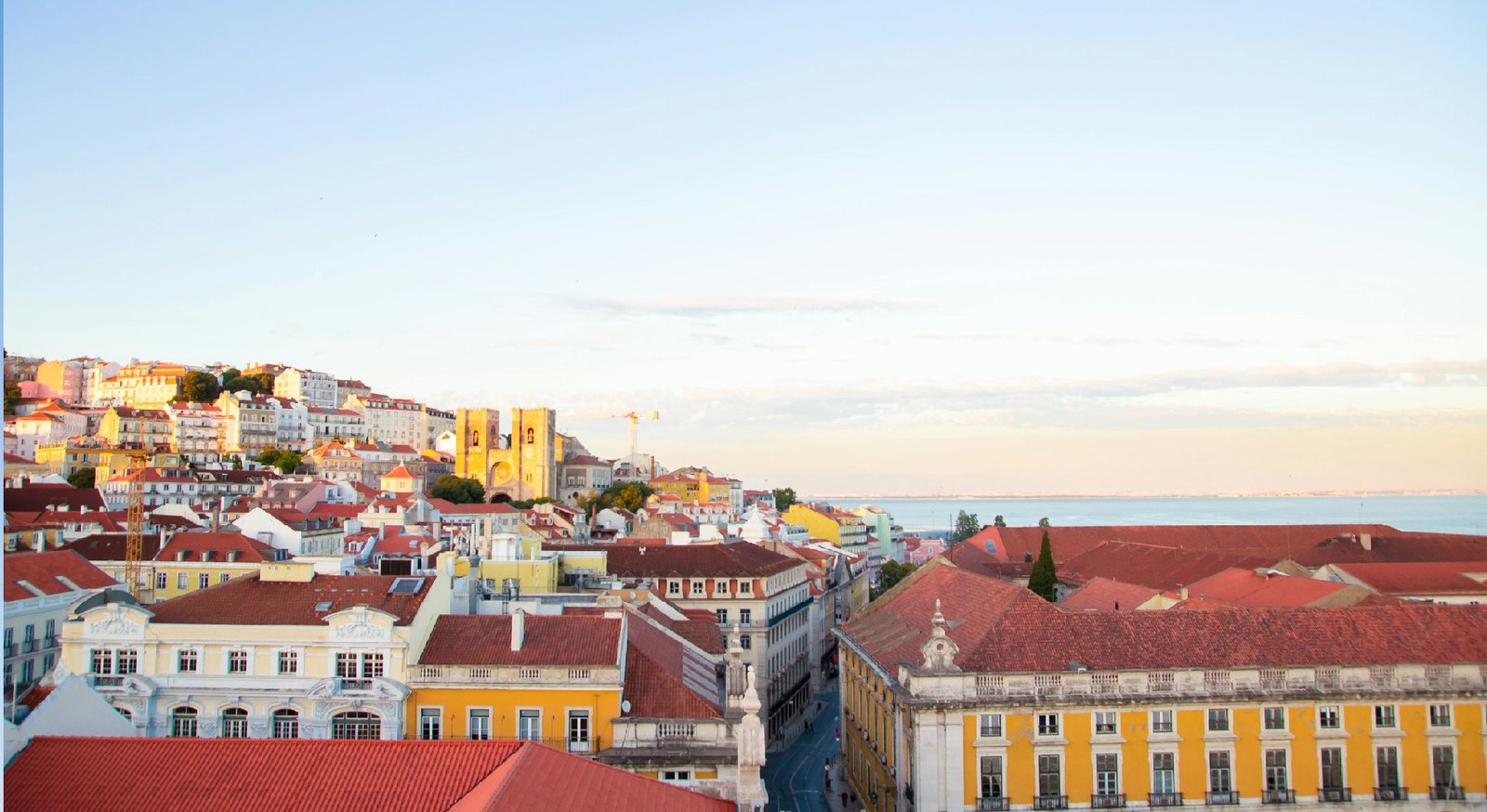
Education is a fundamental aspect of society that shapes the knowledge, skills, and perspectives of individuals around the world. In this blog post, we will explore the education systems in three different regions: Cameroon, Lisbon (Portugal), and Abu Dhabi (UAE). Each of these places offers a unique approach to education, reflecting cultural values, historical context, and economic development. Cameroon, a country in Central Africa, has a diverse education system influenced by its colonial history. The educational structure in Cameroon is divided into three main levels: primary education (lasting for six years), secondary education (divided into two cycles of three years each), and tertiary education. While education is compulsory up to the age of 12, there are challenges such as limited access to quality education, inadequate infrastructure, and disparities between urban and rural areas. Efforts are being made to improve the education system in Cameroon, including curriculum reforms and investment in teacher training. In Lisbon, the capital city of Portugal, education is highly valued, with a focus on inclusivity and innovation. The Portuguese education system is based on a 12-year model, consisting of four years of primary education, three years of lower secondary education, and three years of upper secondary education. Students have the option to pursue vocational or academic pathways, leading to a wide range of educational and career opportunities. Lisbon is home to prestigious universities and research institutions, contributing to the city's reputation as a hub for education and knowledge exchange. Moving to Abu Dhabi, the capital of the United Arab Emirates, we encounter a rapidly developing education sector driven by innovation and modernization. The UAE places a strong emphasis on education as a key driver of economic growth and societal advancement. The education system in Abu Dhabi is characterized by a mix of public and private schools, offering diverse curricula and extracurricular activities. Higher education institutions in Abu Dhabi, such as the renowned universities in Masdar City and Khalifa University, attract students from around the world and promote research and innovation in various fields. In conclusion, the education systems in Cameroon, Lisbon, and Abu Dhabi showcase the diversity and complexity of educational experiences across different regions. While each place has its unique challenges and strengths, education remains a universal tool for personal development and societal progress. By understanding and appreciating the nuances of education in various contexts, we can work towards creating inclusive, quality education systems that empower individuals to thrive in a globalized world.
Leave a Comment:
SEARCH
Recent News
- Zurich is a vibrant city located in Switzerland and is well-known for its picturesque landscapes, rich history, and bustling business scene. The Spanish community in Zurich has been thriving, with many top companies from Spain making their mark in the city. These companies have not only contributed to the economy of Zurich but have also added diversity and innovation to the local business environment.
- Zurich, Switzerland is a vibrant city known for its stunning architecture, picturesque landscapes, and rich culture. One aspect of Zurich's cultural scene that often goes under the radar is its regional music. The city and its surrounding areas are home to a diverse range of musical styles, reflecting the multiculturalism and artistic diversity of the region.
- Top 5 Zurich Regional Movies You Must Watch
- Zurich, Switzerland: A Culinary Journey through Regional Cuisine
- Zurich, Switzerland is known for its rich culture and traditions, including traditional regional clothing that reflects the area's history and heritage. Swiss traditional clothing varies by region, with each area having its own unique style and designs. In Zurich, traditional Swiss clothing showcases a blend of functionality, craftsmanship, and aesthetics.
- Exploring Zurich: A Taste of Latin America in Switzerland
- Zurich, Switzerland is a vibrant city known for its stunning architecture, picturesque landscapes, and diverse culinary scene. While Swiss cuisine certainly holds a special place in the hearts of many locals and visitors, the city also boasts a variety of international dining options, including Latin American food.
- Zurich, Switzerland is a vibrant city known for its picturesque surroundings, high quality of life, and thriving multicultural community. Among the various expatriate communities that call Zurich home, the Latin American community stands out for its rich culture, lively traditions, and strong sense of community bonding.
READ MORE
1 year ago Category :

Zurich is a vibrant city located in Switzerland and is well-known for its picturesque landscapes, rich history, and bustling business scene. The Spanish community in Zurich has been thriving, with many top companies from Spain making their mark in the city. These companies have not only contributed to the economy of Zurich but have also added diversity and innovation to the local business environment.
Read More →1 year ago Category :

Zurich, Switzerland is a vibrant city known for its stunning architecture, picturesque landscapes, and rich culture. One aspect of Zurich's cultural scene that often goes under the radar is its regional music. The city and its surrounding areas are home to a diverse range of musical styles, reflecting the multiculturalism and artistic diversity of the region.
Read More →1 year ago Category :

Top 5 Zurich Regional Movies You Must Watch
Read More →1 year ago Category :
