Exploring the Intersection of Education in Cameroon and Architecture in Lisbon, Portugal
Category : | Sub Category : Posted on 2024-10-05 22:25:23
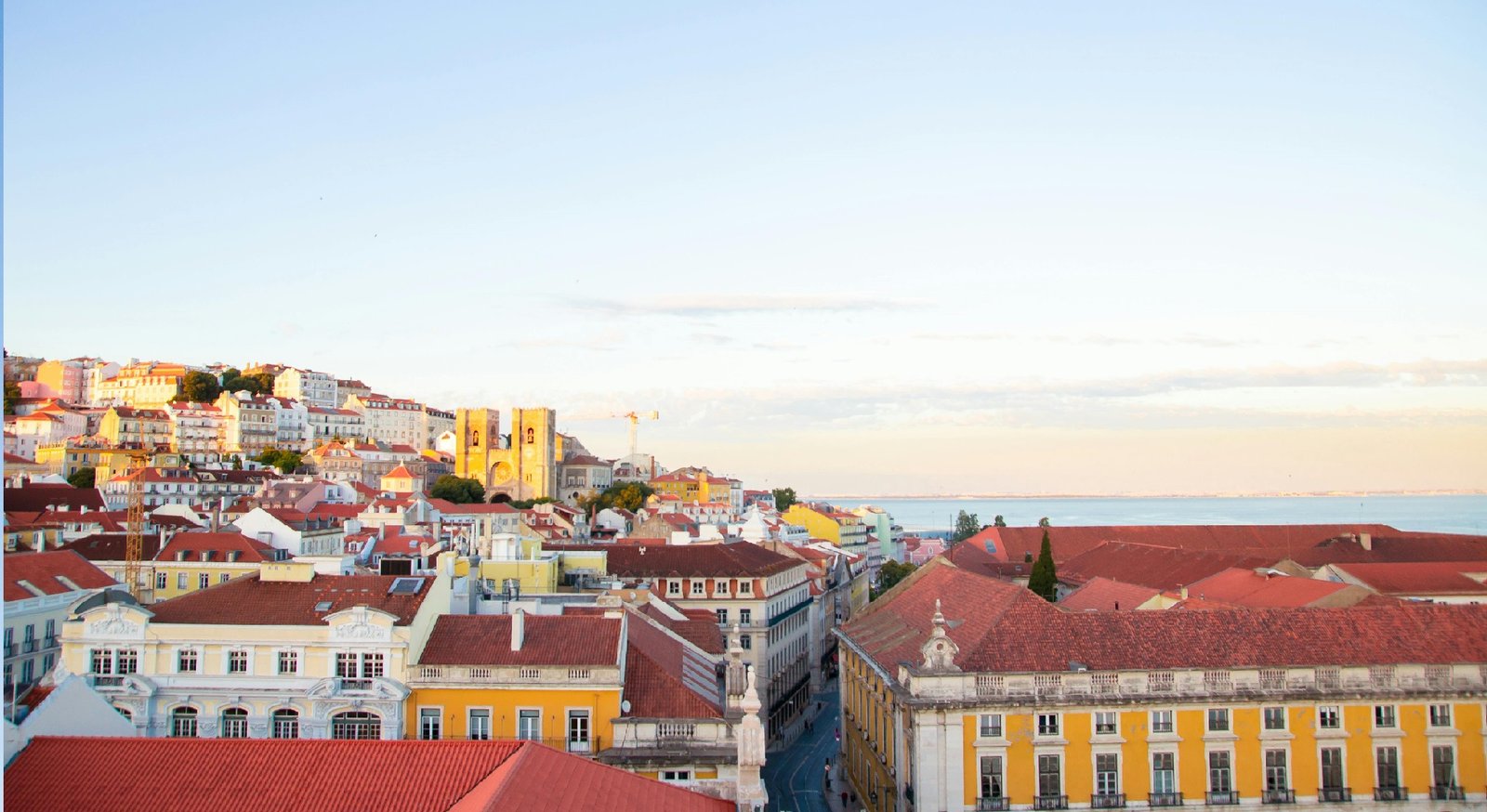
Education and architecture are two fields that hold immense significance in shaping societies and cultures around the world. In this blog post, we will delve into the unique educational landscape of Cameroon and the fascinating architecture of Lisbon, Portugal, and explore how these two seemingly distinct topics intersect in the realm of academia and urban planning. Education in Cameroon: Cameroon, located in Central Africa, boasts a rich cultural heritage and a diverse population. The educational system in Cameroon is divided into several levels, including primary, secondary, higher education, and vocational training. While access to education has improved in recent years, challenges such as limited resources, inadequate infrastructure, and regional disparities still exist. Primary education in Cameroon is compulsory and free, but many children, particularly in rural areas, face barriers in accessing quality education. Secondary education is also crucial in preparing students for higher education or vocational training. In recent years, efforts have been made to enhance the quality of education in Cameroon, including curriculum reform, teacher training programs, and the integration of technology in classrooms. Higher education in Cameroon is provided by universities and institutions offering degree programs in various fields, including science, technology, humanities, and social sciences. The government has implemented policies to promote research and innovation in higher education, with a focus on addressing societal challenges and fostering economic development. Architecture in Lisbon, Portugal: Lisbon, the capital city of Portugal, is renowned for its stunning architecture that blends traditional Portuguese styles with contemporary design elements. From historic landmarks such as the Jerónimos Monastery and Belém Tower to modern structures like the Champalimaud Centre for the Unknown and the MAAT - Museum of Art, Architecture and Technology, Lisbon's architectural landscape is a testament to its rich history and vibrant culture. One of the most iconic architectural features of Lisbon is its colorful tiled facades known as azulejos, which adorn buildings throughout the city and reflect Portugal's Moorish influences. The hilly terrain of Lisbon also gives rise to charming neighborhoods with narrow streets, picturesque squares, and panoramic views of the Tagus River. In recent years, Lisbon has experienced a revitalization of its urban spaces through sustainable architecture and green initiatives. The city has prioritized design principles that promote energy efficiency, biodiversity, and community engagement, making it a leader in sustainable urban development in Europe. Intersection of Education and Architecture: The intersection of education in Cameroon and architecture in Lisbon offers a fascinating study in how the built environment can influence learning outcomes and societal progress. In Cameroon, investing in educational infrastructure and facilities can create conducive learning environments that inspire students and support academic success. Similarly, in Lisbon, the design of educational institutions and public spaces plays a crucial role in fostering creativity, collaboration, and innovation among students and residents. By integrating principles of universal design, sustainability, and cultural heritage preservation, architects in Lisbon are shaping the future of education and urban living in the city. In conclusion, the relationship between education in Cameroon and architecture in Lisbon underscores the interconnectedness of human experiences and the built environment. By recognizing the synergies between these two fields, we can envision a future where learning spaces are not only functional and aesthetically pleasing but also inclusive, sustainable, and transformative for individuals and communities alike.
Leave a Comment:
SEARCH
Recent News
- Zurich is a vibrant city located in Switzerland and is well-known for its picturesque landscapes, rich history, and bustling business scene. The Spanish community in Zurich has been thriving, with many top companies from Spain making their mark in the city. These companies have not only contributed to the economy of Zurich but have also added diversity and innovation to the local business environment.
- Zurich, Switzerland is a vibrant city known for its stunning architecture, picturesque landscapes, and rich culture. One aspect of Zurich's cultural scene that often goes under the radar is its regional music. The city and its surrounding areas are home to a diverse range of musical styles, reflecting the multiculturalism and artistic diversity of the region.
- Top 5 Zurich Regional Movies You Must Watch
- Zurich, Switzerland: A Culinary Journey through Regional Cuisine
- Zurich, Switzerland is known for its rich culture and traditions, including traditional regional clothing that reflects the area's history and heritage. Swiss traditional clothing varies by region, with each area having its own unique style and designs. In Zurich, traditional Swiss clothing showcases a blend of functionality, craftsmanship, and aesthetics.
- Exploring Zurich: A Taste of Latin America in Switzerland
- Zurich, Switzerland is a vibrant city known for its stunning architecture, picturesque landscapes, and diverse culinary scene. While Swiss cuisine certainly holds a special place in the hearts of many locals and visitors, the city also boasts a variety of international dining options, including Latin American food.
- Zurich, Switzerland is a vibrant city known for its picturesque surroundings, high quality of life, and thriving multicultural community. Among the various expatriate communities that call Zurich home, the Latin American community stands out for its rich culture, lively traditions, and strong sense of community bonding.
READ MORE
1 year ago Category :

Zurich is a vibrant city located in Switzerland and is well-known for its picturesque landscapes, rich history, and bustling business scene. The Spanish community in Zurich has been thriving, with many top companies from Spain making their mark in the city. These companies have not only contributed to the economy of Zurich but have also added diversity and innovation to the local business environment.
Read More →1 year ago Category :

Zurich, Switzerland is a vibrant city known for its stunning architecture, picturesque landscapes, and rich culture. One aspect of Zurich's cultural scene that often goes under the radar is its regional music. The city and its surrounding areas are home to a diverse range of musical styles, reflecting the multiculturalism and artistic diversity of the region.
Read More →1 year ago Category :

Top 5 Zurich Regional Movies You Must Watch
Read More →1 year ago Category :
