The Impact of Debt and Loans on Education in Cameroon
Category : | Sub Category : Posted on 2024-10-05 22:25:23
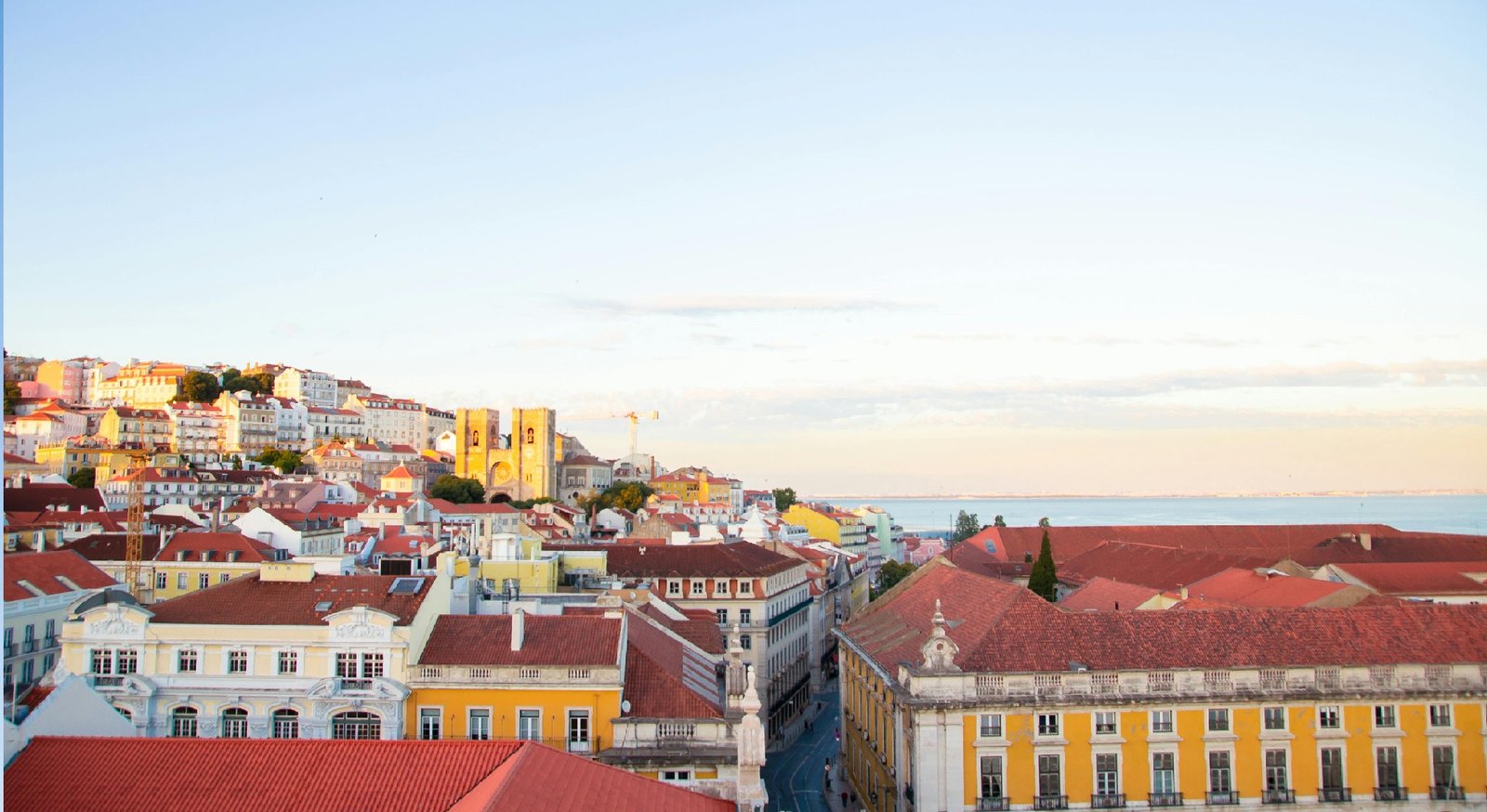
Education is a fundamental pillar for the growth and development of any nation. However, in countries like Cameroon, financial constraints often hinder the progress of the education sector. The situation is exacerbated by the burden of debt and loans, which further strain the already limited resources available for education. In this blog post, we will explore the impact of debt and loans on education in Cameroon and compare it to the situation in Lisbon, Portugal. Cameroon, like many other developing countries, faces significant challenges in providing quality education to its citizens. Limited government funding, inadequate infrastructure, and a shortage of qualified teachers are just some of the issues that plague the education system in the country. To address these challenges, the government often turns to external sources of funding, such as loans and grants from international financial institutions. However, while these financial injections may seem like a quick fix, they come with their own set of problems. Loans need to be repaid with interest, putting further strain on the national budget. This can lead to cuts in education spending, resulting in reduced resources for schools, lower teacher salaries, and a lack of essential supplies and equipment. Moreover, debt repayment can take precedence over investing in long-term solutions for improving the education system, such as building new schools, training teachers, and updating curriculum materials. This creates a cycle of dependency on external funding, further exacerbating the country's financial woes. In contrast, countries like Portugal, particularly Lisbon, have a more stable economy and stronger financial footing. While they also rely on loans and grants for various development projects, they are better equipped to manage their debt and prioritize spending on key sectors like education. This enables them to invest in initiatives that enhance the quality of education, promote innovation, and nurture a skilled workforce for the future. In conclusion, the impact of debt and loans on education in Cameroon is profound and complex. While external funding can provide a temporary lifeline for the struggling education system, it is essential for the government to prioritize long-term solutions and sustainable investments in education. By learning from countries like Portugal and adopting prudent financial management practices, Cameroon can work towards building a stronger and more resilient education sector for the benefit of its citizens. Understanding the challenges and opportunities presented by debt and loans in the context of education is crucial for shaping policies and strategies that will drive positive change and sustainable development in Cameroon and beyond.
Leave a Comment:
SEARCH
Recent News
- Zurich is a vibrant city located in Switzerland and is well-known for its picturesque landscapes, rich history, and bustling business scene. The Spanish community in Zurich has been thriving, with many top companies from Spain making their mark in the city. These companies have not only contributed to the economy of Zurich but have also added diversity and innovation to the local business environment.
- Zurich, Switzerland is a vibrant city known for its stunning architecture, picturesque landscapes, and rich culture. One aspect of Zurich's cultural scene that often goes under the radar is its regional music. The city and its surrounding areas are home to a diverse range of musical styles, reflecting the multiculturalism and artistic diversity of the region.
- Top 5 Zurich Regional Movies You Must Watch
- Zurich, Switzerland: A Culinary Journey through Regional Cuisine
- Zurich, Switzerland is known for its rich culture and traditions, including traditional regional clothing that reflects the area's history and heritage. Swiss traditional clothing varies by region, with each area having its own unique style and designs. In Zurich, traditional Swiss clothing showcases a blend of functionality, craftsmanship, and aesthetics.
- Exploring Zurich: A Taste of Latin America in Switzerland
- Zurich, Switzerland is a vibrant city known for its stunning architecture, picturesque landscapes, and diverse culinary scene. While Swiss cuisine certainly holds a special place in the hearts of many locals and visitors, the city also boasts a variety of international dining options, including Latin American food.
- Zurich, Switzerland is a vibrant city known for its picturesque surroundings, high quality of life, and thriving multicultural community. Among the various expatriate communities that call Zurich home, the Latin American community stands out for its rich culture, lively traditions, and strong sense of community bonding.
READ MORE
1 year ago Category :

Zurich is a vibrant city located in Switzerland and is well-known for its picturesque landscapes, rich history, and bustling business scene. The Spanish community in Zurich has been thriving, with many top companies from Spain making their mark in the city. These companies have not only contributed to the economy of Zurich but have also added diversity and innovation to the local business environment.
Read More →1 year ago Category :

Zurich, Switzerland is a vibrant city known for its stunning architecture, picturesque landscapes, and rich culture. One aspect of Zurich's cultural scene that often goes under the radar is its regional music. The city and its surrounding areas are home to a diverse range of musical styles, reflecting the multiculturalism and artistic diversity of the region.
Read More →1 year ago Category :

Top 5 Zurich Regional Movies You Must Watch
Read More →1 year ago Category :
