Exploring Education Systems in Cameroon, Lisbon, Portugal, and Nigeria
Category : | Sub Category : Posted on 2024-10-05 22:25:23
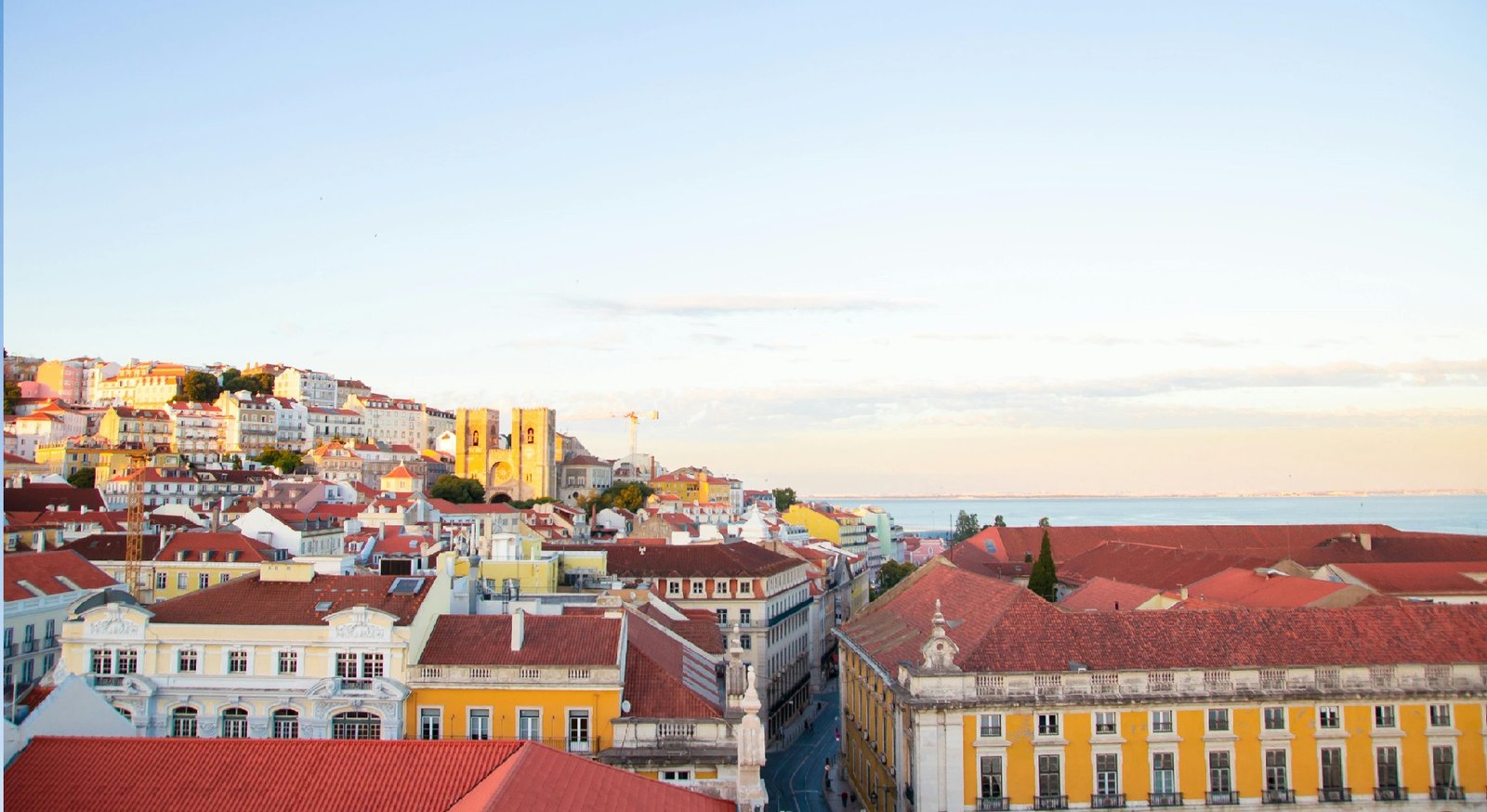
Education is a fundamental aspect of societal development, shaping the future of nations by equipping individuals with the knowledge and skills needed to thrive in an ever-evolving world. In this blog post, we will delve into the unique education systems of Cameroon, Lisbon in Portugal, and Nigeria, offering insights into their approaches to education and highlighting key aspects of each system. Cameroon In Cameroon, education is considered a priority, with efforts being made to improve access to quality education for all its citizens. The education system in Cameroon follows a 6-3-3-4 structure, consisting of six years of primary education, three years of lower secondary education, three years of higher secondary education, and four years of university education. The government has been working towards enhancing the quality of education, investing in infrastructure, curriculum development, and teacher training. Lisbon, Portugal Portugal, including its capital city Lisbon, boasts a well-established education system known for its high standards and inclusivity. Education in Portugal is compulsory for children between the ages of 6 and 18, encompassing three cycles of basic education followed by secondary and higher education. The country places great emphasis on promoting creativity, critical thinking, and digital literacy among students. Lisbon, being a hub of cultural and educational opportunities, offers a diverse range of schools and institutions catering to different learning preferences and needs. Nigeria In Nigeria, education plays a vital role in shaping the nation's future and addressing socio-economic challenges. The education system in Nigeria is structured into six years of primary education, three years of junior secondary education, three years of senior secondary education, and tertiary education. Despite government efforts to improve access to education, challenges such as inadequate infrastructure, teacher shortages, and funding issues persist. However, various initiatives are being implemented to enhance the quality and relevance of education in Nigeria. In conclusion, education systems in Cameroon, Lisbon, Portugal, and Nigeria each have their own unique characteristics and challenges. While Cameroon strives to improve education access and quality, Lisbon stands out for its emphasis on creativity and critical thinking. Nigeria, on the other hand, faces hurdles in infrastructure and funding but is working towards enhancing educational standards. By understanding and appreciating the diversity of education systems across different regions, we can gain valuable insights into the strengths and areas for improvement within each system.
Leave a Comment:
SEARCH
Recent News
- Zurich is a vibrant city located in Switzerland and is well-known for its picturesque landscapes, rich history, and bustling business scene. The Spanish community in Zurich has been thriving, with many top companies from Spain making their mark in the city. These companies have not only contributed to the economy of Zurich but have also added diversity and innovation to the local business environment.
- Zurich, Switzerland is a vibrant city known for its stunning architecture, picturesque landscapes, and rich culture. One aspect of Zurich's cultural scene that often goes under the radar is its regional music. The city and its surrounding areas are home to a diverse range of musical styles, reflecting the multiculturalism and artistic diversity of the region.
- Top 5 Zurich Regional Movies You Must Watch
- Zurich, Switzerland: A Culinary Journey through Regional Cuisine
- Zurich, Switzerland is known for its rich culture and traditions, including traditional regional clothing that reflects the area's history and heritage. Swiss traditional clothing varies by region, with each area having its own unique style and designs. In Zurich, traditional Swiss clothing showcases a blend of functionality, craftsmanship, and aesthetics.
- Exploring Zurich: A Taste of Latin America in Switzerland
- Zurich, Switzerland is a vibrant city known for its stunning architecture, picturesque landscapes, and diverse culinary scene. While Swiss cuisine certainly holds a special place in the hearts of many locals and visitors, the city also boasts a variety of international dining options, including Latin American food.
- Zurich, Switzerland is a vibrant city known for its picturesque surroundings, high quality of life, and thriving multicultural community. Among the various expatriate communities that call Zurich home, the Latin American community stands out for its rich culture, lively traditions, and strong sense of community bonding.
READ MORE
1 year ago Category :

Zurich is a vibrant city located in Switzerland and is well-known for its picturesque landscapes, rich history, and bustling business scene. The Spanish community in Zurich has been thriving, with many top companies from Spain making their mark in the city. These companies have not only contributed to the economy of Zurich but have also added diversity and innovation to the local business environment.
Read More →1 year ago Category :

Zurich, Switzerland is a vibrant city known for its stunning architecture, picturesque landscapes, and rich culture. One aspect of Zurich's cultural scene that often goes under the radar is its regional music. The city and its surrounding areas are home to a diverse range of musical styles, reflecting the multiculturalism and artistic diversity of the region.
Read More →1 year ago Category :

Top 5 Zurich Regional Movies You Must Watch
Read More →1 year ago Category :
