Enhancing Work Skills Development in Cameroon through Education: A Perspective from Lisbon, Portugal
Category : | Sub Category : Posted on 2024-10-05 22:25:23
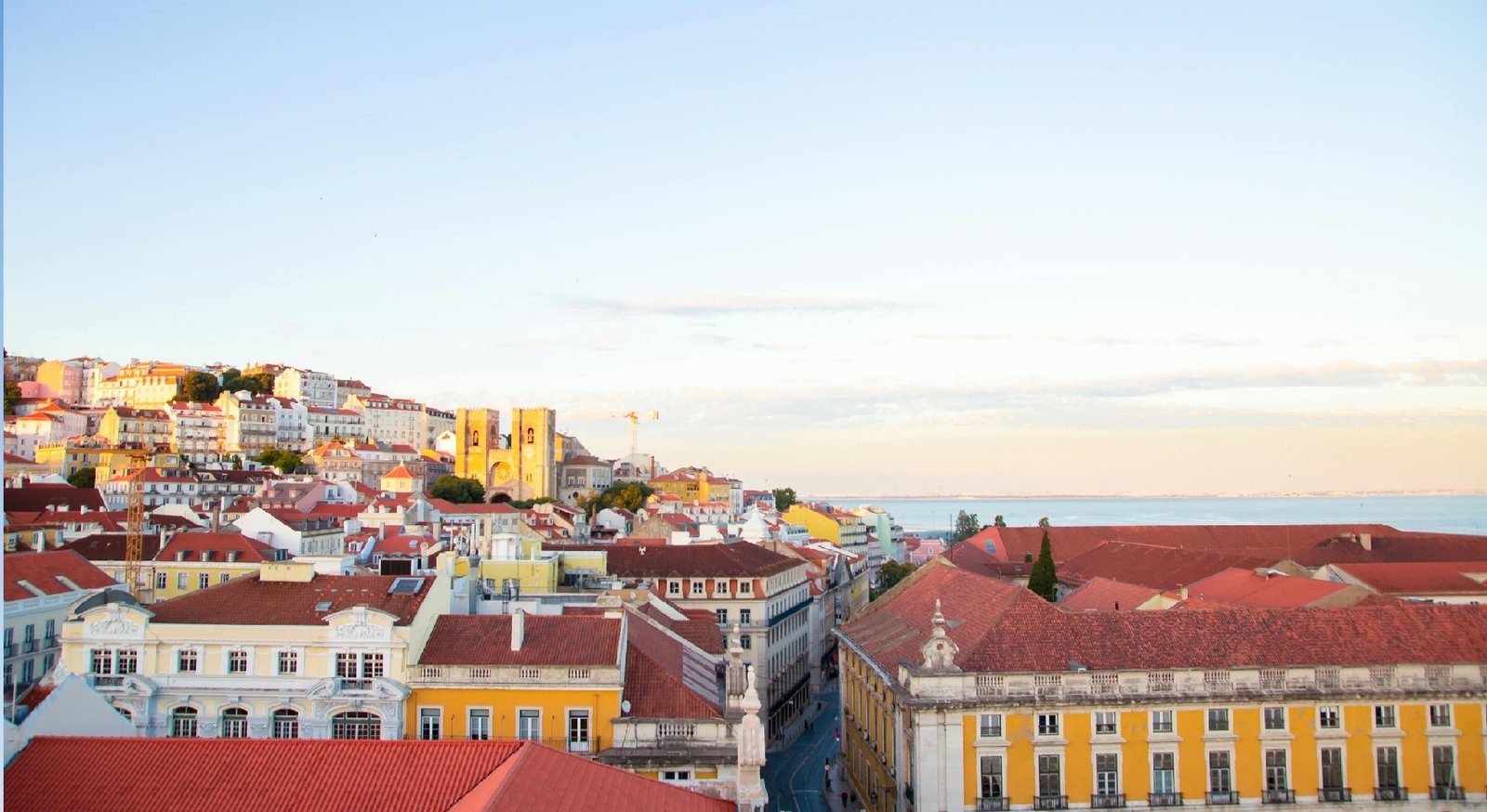
In today's rapidly changing global landscape, the importance of work skills development cannot be overstated. As economies evolve and industries transform, individuals must constantly adapt and enhance their skill sets to remain competitive in the job market. This is particularly true in a country like Cameroon, where the need for skilled workers is growing to support its burgeoning economy. Drawing insights from Lisbon, Portugal – a city known for its emphasis on education and skills development – we can explore strategies that Cameroon can adopt to empower its workforce and drive economic growth. Education is the cornerstone of work skills development. In Lisbon, education is highly valued, with a strong emphasis on equipping students with both technical expertise and soft skills. This holistic approach to education ensures that graduates are not only well-versed in their field but also possess essential skills such as communication, critical thinking, and problem-solving. Cameroon can benefit from a similar education system that prioritizes a well-rounded development of its students, preparing them for the demands of the modern workforce. Furthermore, internships and apprenticeships play a vital role in skills development in Lisbon. These hands-on experiences allow students to apply their knowledge in real-world settings, gaining valuable insights and practical skills that are highly sought after by employers. By fostering partnerships between educational institutions and industries, Cameroon can create more opportunities for students to gain practical experience and enhance their employability. In addition, lifelong learning is a key aspect of skills development in Lisbon. The city offers a range of continuing education programs and professional development courses to help individuals upskill and reskill throughout their careers. This culture of continuous learning not only benefits individuals in staying relevant in their occupations but also contributes to the overall competitiveness of the workforce. Cameroon could introduce similar initiatives to encourage a culture of lifelong learning among its citizens, helping them adapt to changing job requirements and technological advancements. In conclusion, by taking cues from Lisbon's approach to education and work skills development, Cameroon can pave the way for a more skilled and competitive workforce. Investing in education, fostering industry-education partnerships, and promoting lifelong learning are essential steps towards empowering individuals with the skills needed to succeed in the dynamic job market. With the right strategies in place, Cameroon can unlock its full potential and drive sustainable economic growth through a well-equipped and highly skilled workforce.
https://desencadenar.org
Leave a Comment:
SEARCH
Recent News
- Zurich is a vibrant city located in Switzerland and is well-known for its picturesque landscapes, rich history, and bustling business scene. The Spanish community in Zurich has been thriving, with many top companies from Spain making their mark in the city. These companies have not only contributed to the economy of Zurich but have also added diversity and innovation to the local business environment.
- Zurich, Switzerland is a vibrant city known for its stunning architecture, picturesque landscapes, and rich culture. One aspect of Zurich's cultural scene that often goes under the radar is its regional music. The city and its surrounding areas are home to a diverse range of musical styles, reflecting the multiculturalism and artistic diversity of the region.
- Top 5 Zurich Regional Movies You Must Watch
- Zurich, Switzerland: A Culinary Journey through Regional Cuisine
- Zurich, Switzerland is known for its rich culture and traditions, including traditional regional clothing that reflects the area's history and heritage. Swiss traditional clothing varies by region, with each area having its own unique style and designs. In Zurich, traditional Swiss clothing showcases a blend of functionality, craftsmanship, and aesthetics.
- Exploring Zurich: A Taste of Latin America in Switzerland
- Zurich, Switzerland is a vibrant city known for its stunning architecture, picturesque landscapes, and diverse culinary scene. While Swiss cuisine certainly holds a special place in the hearts of many locals and visitors, the city also boasts a variety of international dining options, including Latin American food.
- Zurich, Switzerland is a vibrant city known for its picturesque surroundings, high quality of life, and thriving multicultural community. Among the various expatriate communities that call Zurich home, the Latin American community stands out for its rich culture, lively traditions, and strong sense of community bonding.
READ MORE
1 year ago Category :

Zurich is a vibrant city located in Switzerland and is well-known for its picturesque landscapes, rich history, and bustling business scene. The Spanish community in Zurich has been thriving, with many top companies from Spain making their mark in the city. These companies have not only contributed to the economy of Zurich but have also added diversity and innovation to the local business environment.
Read More →1 year ago Category :

Zurich, Switzerland is a vibrant city known for its stunning architecture, picturesque landscapes, and rich culture. One aspect of Zurich's cultural scene that often goes under the radar is its regional music. The city and its surrounding areas are home to a diverse range of musical styles, reflecting the multiculturalism and artistic diversity of the region.
Read More →1 year ago Category :

Top 5 Zurich Regional Movies You Must Watch
Read More →1 year ago Category :
