Exploring Education Systems: A Comparison of Cameroon, Slovenia, and Lisbon, Portugal
Category : | Sub Category : Posted on 2024-10-05 22:25:23
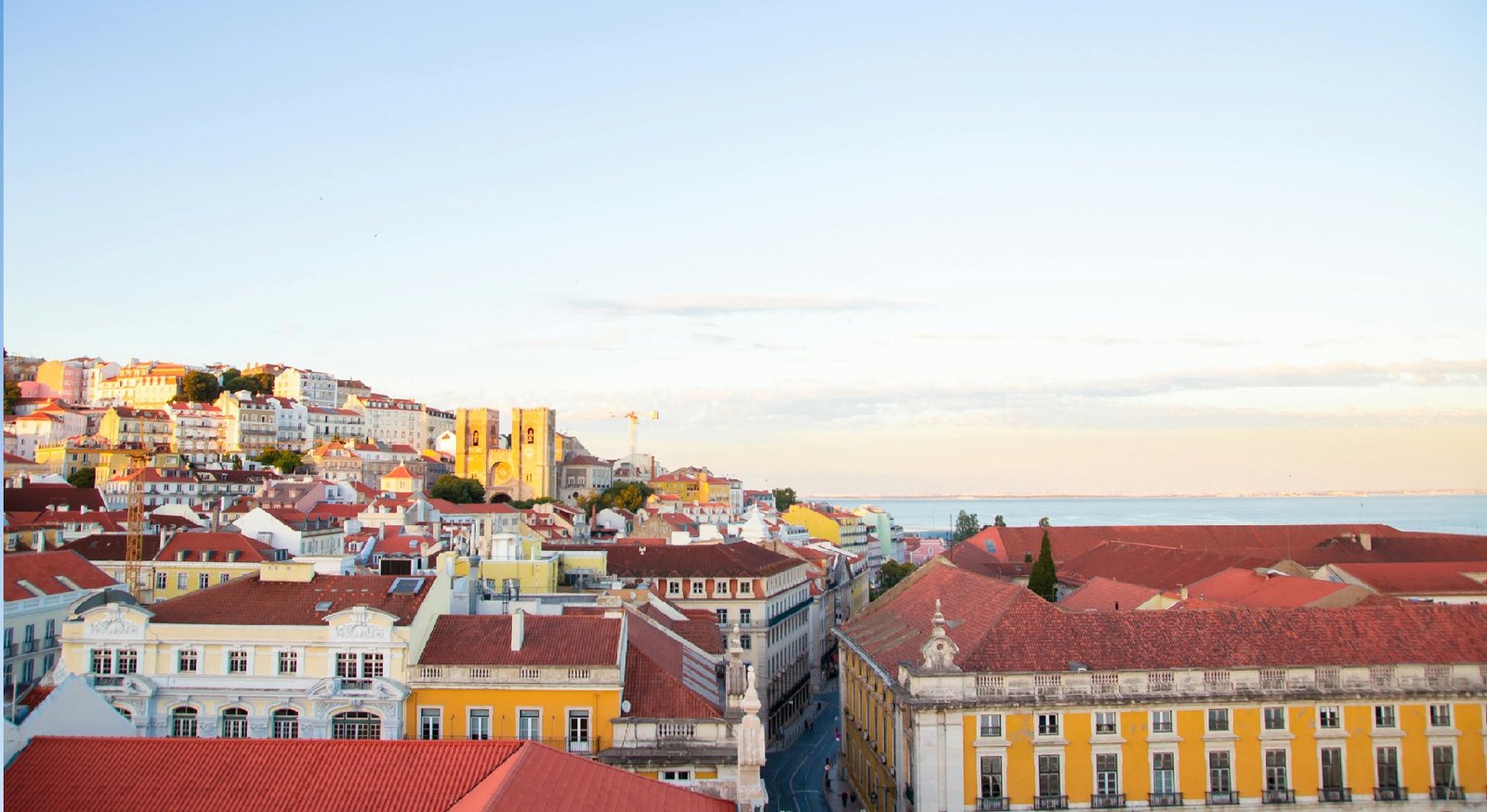
Education is a fundamental pillar of any society, shaping the future of individuals and nations alike. As we delve into the educational landscapes of Cameroon, Slovenia, and Lisbon, Portugal, we uncover unique approaches and challenges faced by these regions. Let's take a closer look at how education is structured and prioritized in each of these diverse settings. Cameroon: In Cameroon, education is recognized as a key driver of development and social progress. The country's education system follows a 6-3-3 model, consisting of six years of primary education, three years of lower secondary education, and three years of upper secondary education. However, despite efforts to improve access to education, challenges such as inadequate infrastructure, teacher shortages, and low school enrollment rates persist in many regions. The government has been working to enhance educational outcomes through initiatives like the Education Sector Strategy Plan, aimed at promoting quality education for all children in Cameroon. Slovenia: Slovenia boasts a well-developed education system known for its emphasis on quality and inclusion. Education in Slovenia is compulsory and free up to the age of 18, with a strong focus on promoting lifelong learning and skills development. The country's education system comprises three levels: primary education (lasting nine years), lower secondary education (lasting three years), and upper secondary education (offering various vocational and academic pathways). Slovenia's commitment to innovation and continuous improvement in education is reflected in initiatives such as the Education 2030 strategy, aimed at fostering creativity, critical thinking, and digital literacy among students. Lisbon, Portugal: As the capital city of Portugal, Lisbon is home to a diverse and dynamic education sector that caters to a multicultural population. Portugal's education system is structured into pre-primary, primary, lower secondary, and upper secondary levels, with a strong focus on promoting equity and social cohesion. In recent years, Lisbon has seen significant investment in education infrastructure, teacher training, and curriculum development to enhance learning outcomes and student well-being. Initiatives such as the New Skills for the Future program aim to equip students with the competencies needed to thrive in a rapidly changing world. In conclusion, the education systems of Cameroon, Slovenia, and Lisbon, Portugal offer valuable insights into the diverse approaches taken to foster learning and development. While each region faces its own set of challenges and opportunities, a common goal unites them: to provide quality education that empowers individuals and contributes to national progress. By sharing knowledge and best practices, we can work towards building more inclusive, innovative, and effective education systems worldwide.
Leave a Comment:
SEARCH
Recent News
- Zurich is a vibrant city located in Switzerland and is well-known for its picturesque landscapes, rich history, and bustling business scene. The Spanish community in Zurich has been thriving, with many top companies from Spain making their mark in the city. These companies have not only contributed to the economy of Zurich but have also added diversity and innovation to the local business environment.
- Zurich, Switzerland is a vibrant city known for its stunning architecture, picturesque landscapes, and rich culture. One aspect of Zurich's cultural scene that often goes under the radar is its regional music. The city and its surrounding areas are home to a diverse range of musical styles, reflecting the multiculturalism and artistic diversity of the region.
- Top 5 Zurich Regional Movies You Must Watch
- Zurich, Switzerland: A Culinary Journey through Regional Cuisine
- Zurich, Switzerland is known for its rich culture and traditions, including traditional regional clothing that reflects the area's history and heritage. Swiss traditional clothing varies by region, with each area having its own unique style and designs. In Zurich, traditional Swiss clothing showcases a blend of functionality, craftsmanship, and aesthetics.
- Exploring Zurich: A Taste of Latin America in Switzerland
- Zurich, Switzerland is a vibrant city known for its stunning architecture, picturesque landscapes, and diverse culinary scene. While Swiss cuisine certainly holds a special place in the hearts of many locals and visitors, the city also boasts a variety of international dining options, including Latin American food.
- Zurich, Switzerland is a vibrant city known for its picturesque surroundings, high quality of life, and thriving multicultural community. Among the various expatriate communities that call Zurich home, the Latin American community stands out for its rich culture, lively traditions, and strong sense of community bonding.
READ MORE
1 year ago Category :

Zurich is a vibrant city located in Switzerland and is well-known for its picturesque landscapes, rich history, and bustling business scene. The Spanish community in Zurich has been thriving, with many top companies from Spain making their mark in the city. These companies have not only contributed to the economy of Zurich but have also added diversity and innovation to the local business environment.
Read More →1 year ago Category :

Zurich, Switzerland is a vibrant city known for its stunning architecture, picturesque landscapes, and rich culture. One aspect of Zurich's cultural scene that often goes under the radar is its regional music. The city and its surrounding areas are home to a diverse range of musical styles, reflecting the multiculturalism and artistic diversity of the region.
Read More →1 year ago Category :

Top 5 Zurich Regional Movies You Must Watch
Read More →1 year ago Category :
