Exploring the Car Culture in Bangladesh and Lisbon, Portugal
Category : | Sub Category : Posted on 2024-10-05 22:25:23
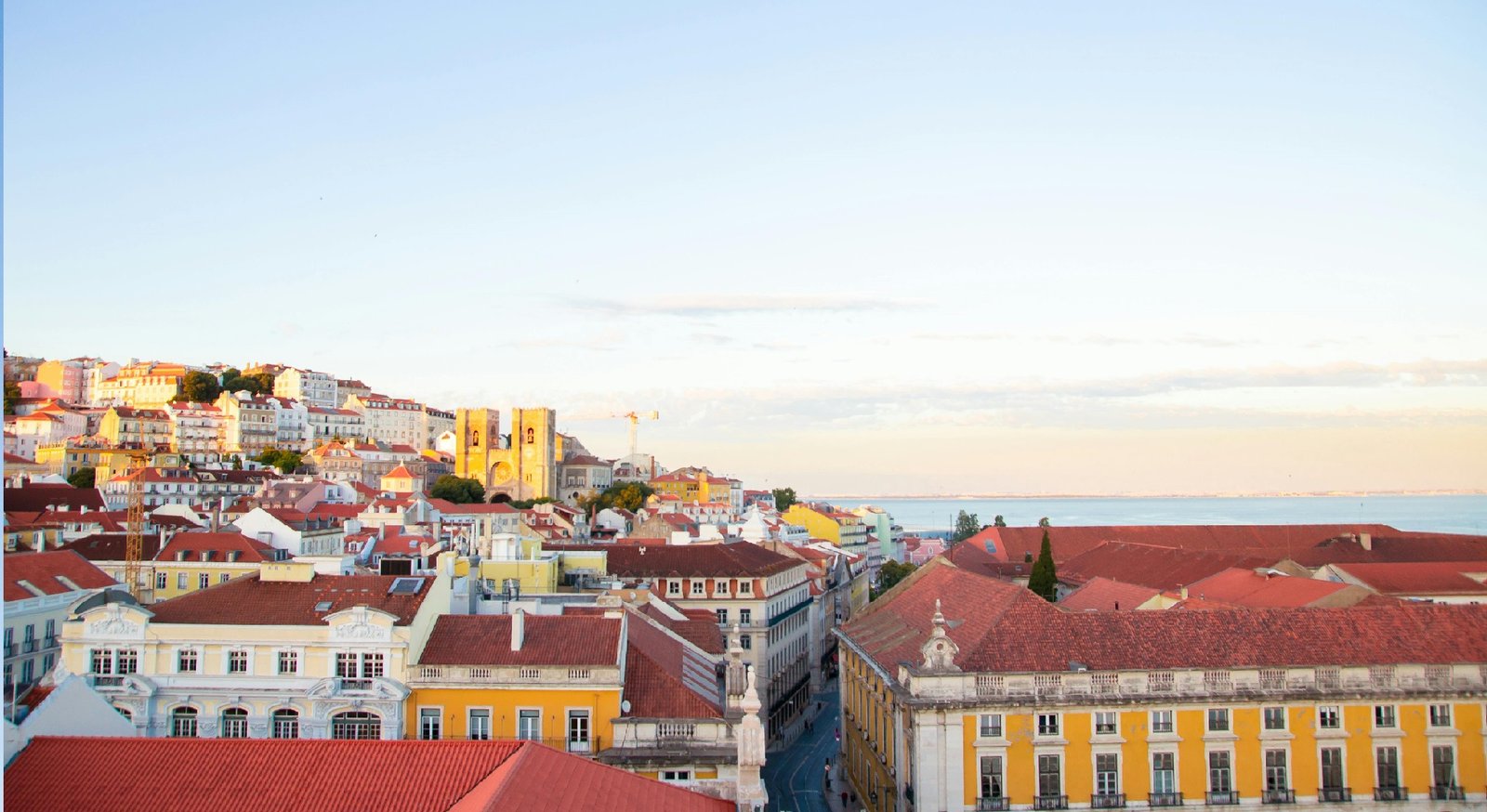
When it comes to cars, each country has its own unique car culture that reflects its people, economy, and geographical factors. Today, let's take a closer look at the car scenes in two distinctly different cities - Bangladesh and Lisbon, Portugal. Bangladesh, a densely populated country in South Asia, has a rapidly growing automotive industry. The streets of cities like Dhaka and Chittagong are bustling with a diverse range of vehicles, from colorful auto-rickshaws to sleek sedans and powerful SUVs. Due to the heavy traffic congestion in urban areas, smaller and more maneuverable cars like the popular Maruti Suzuki, Toyota Corolla, and Honda City dominate the roads. Motorcycles and scooters are also popular modes of transportation due to their affordability and ease of navigation through traffic. One notable aspect of car ownership in Bangladesh is the prevalence of reconditioned cars, also known as "recons." These are imported used cars that undergo extensive refurbishment before being sold in the local market. Recons are favored for their relatively lower prices compared to brand new cars and are a common sight on the streets of Bangladesh. In contrast, Lisbon, the picturesque capital city of Portugal, has a more European flair when it comes to cars. The hilly terrain and narrow cobblestone streets of Lisbon make compact cars like the Fiat 500, Volkswagen Polo, and Renault Clio popular choices among city dwellers. Electric vehicles are also gaining traction in Portugal, thanks to government incentives and a growing awareness of environmental issues. One of the most iconic aspects of Lisbon's car culture is the colorful vintage trams that trundle along the city's historic neighborhoods. These charming trams not only serve as a mode of public transportation but also add to the unique charm of the city's urban landscape. Despite the differences in car culture between Bangladesh and Lisbon, one thing they both share is a love for automobiles that is deeply ingrained in the fabric of their respective societies. Whether it's the hustle and bustle of Dhaka's streets or the romantic winding roads of Lisbon, cars play a vital role in shaping the daily lives of people in these two vibrant cities. In conclusion, the car culture in Bangladesh and Lisbon, Portugal offers a fascinating glimpse into how cars are not just vehicles for transportation but also symbols of identity, lifestyle, and urban dynamics. Whether you find yourself navigating the chaotic streets of Dhaka or cruising along the hilly slopes of Lisbon, one thing is for sure - cars play a central role in shaping the urban experience in these two diverse cities.
Leave a Comment:
SEARCH
Recent News
- Zurich is a vibrant city located in Switzerland and is well-known for its picturesque landscapes, rich history, and bustling business scene. The Spanish community in Zurich has been thriving, with many top companies from Spain making their mark in the city. These companies have not only contributed to the economy of Zurich but have also added diversity and innovation to the local business environment.
- Zurich, Switzerland is a vibrant city known for its stunning architecture, picturesque landscapes, and rich culture. One aspect of Zurich's cultural scene that often goes under the radar is its regional music. The city and its surrounding areas are home to a diverse range of musical styles, reflecting the multiculturalism and artistic diversity of the region.
- Top 5 Zurich Regional Movies You Must Watch
- Zurich, Switzerland: A Culinary Journey through Regional Cuisine
- Zurich, Switzerland is known for its rich culture and traditions, including traditional regional clothing that reflects the area's history and heritage. Swiss traditional clothing varies by region, with each area having its own unique style and designs. In Zurich, traditional Swiss clothing showcases a blend of functionality, craftsmanship, and aesthetics.
- Exploring Zurich: A Taste of Latin America in Switzerland
- Zurich, Switzerland is a vibrant city known for its stunning architecture, picturesque landscapes, and diverse culinary scene. While Swiss cuisine certainly holds a special place in the hearts of many locals and visitors, the city also boasts a variety of international dining options, including Latin American food.
- Zurich, Switzerland is a vibrant city known for its picturesque surroundings, high quality of life, and thriving multicultural community. Among the various expatriate communities that call Zurich home, the Latin American community stands out for its rich culture, lively traditions, and strong sense of community bonding.
READ MORE
1 year ago Category :

Zurich is a vibrant city located in Switzerland and is well-known for its picturesque landscapes, rich history, and bustling business scene. The Spanish community in Zurich has been thriving, with many top companies from Spain making their mark in the city. These companies have not only contributed to the economy of Zurich but have also added diversity and innovation to the local business environment.
Read More →1 year ago Category :

Zurich, Switzerland is a vibrant city known for its stunning architecture, picturesque landscapes, and rich culture. One aspect of Zurich's cultural scene that often goes under the radar is its regional music. The city and its surrounding areas are home to a diverse range of musical styles, reflecting the multiculturalism and artistic diversity of the region.
Read More →1 year ago Category :

Top 5 Zurich Regional Movies You Must Watch
Read More →1 year ago Category :
