The Intersection of Cars, Blockchain Games, and the Thriving Tech Scene in Lisbon, Portugal
Category : | Sub Category : Posted on 2024-10-05 22:25:23
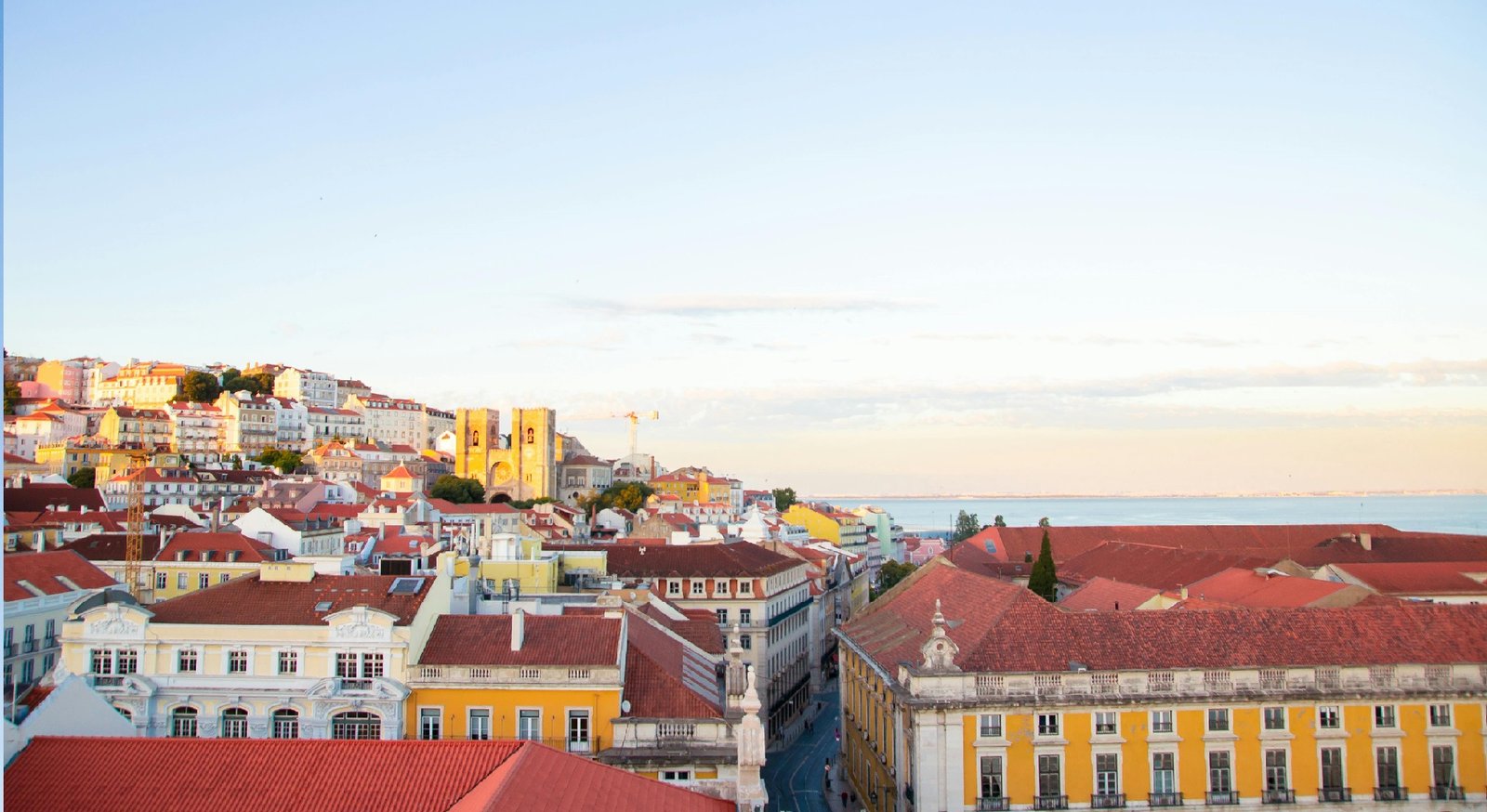
In recent years, the world has witnessed the rapid rise of Blockchain technology and its integration into various industries beyond just finance. One of the sectors that has shown immense potential for blockchain applications is the gaming industry. Blockchain games, which are decentralized games built on blockchain technology, have been gaining popularity for their innovative gameplay mechanics, secure asset ownership, and unique monetization opportunities. At the same time, the automotive industry has been undergoing a transformation with the evolution of electric vehicles, autonomous driving technology, and smart connected cars. The intersection of cars and blockchain games may seem like an unlikely pairing at first, but there are exciting possibilities that could emerge from combining the two. Lisbon, Portugal, known for its vibrant tech scene and innovative startups, is a city where these trends converge. With its dynamic entrepreneurial ecosystem and supportive government policies, Lisbon has become a hub for blockchain technology and gaming development. The city's mix of talented developers, designers, and entrepreneurs has created a fertile ground for projects that push the boundaries of both industries. Imagine a blockchain game where players can collect, customize, and race virtual cars on a digital platform powered by blockchain technology. These virtual cars could be tokenized assets, allowing players to truly own and trade them on a decentralized marketplace. By integrating real-world data from electric vehicles or connected cars, players could compete in races that mirror the advancements happening in the automotive industry. Furthermore, blockchain technology could enhance the transparency and fairness of gameplay mechanics, as well as enable new monetization models such as play-to-earn and decentralized governance systems. Players could earn cryptocurrency rewards for participating in the game, contributing to its ecosystem, or achieving specific milestones. With Lisbon's supportive environment for tech innovation and its thriving community of blockchain enthusiasts, developers could collaborate on groundbreaking projects that bridge the gap between cars and blockchain games. Events like hackathons, conferences, and meetups could spark creative ideas and foster partnerships that drive the industry forward. In conclusion, the convergence of cars, blockchain games, and the tech scene in Lisbon, Portugal represents an exciting frontier for innovation and collaboration. By harnessing the power of blockchain technology and pushing the boundaries of gaming experiences, developers have the opportunity to reshape how we interact with cars in both the real and virtual worlds. As these industries continue to evolve and intersect, the possibilities for creative projects and disruptive technologies are limitless. Explore this subject further for a deeper understanding. https://www.qqhbo.com
Leave a Comment:
SEARCH
Recent News
- Zurich is a vibrant city located in Switzerland and is well-known for its picturesque landscapes, rich history, and bustling business scene. The Spanish community in Zurich has been thriving, with many top companies from Spain making their mark in the city. These companies have not only contributed to the economy of Zurich but have also added diversity and innovation to the local business environment.
- Zurich, Switzerland is a vibrant city known for its stunning architecture, picturesque landscapes, and rich culture. One aspect of Zurich's cultural scene that often goes under the radar is its regional music. The city and its surrounding areas are home to a diverse range of musical styles, reflecting the multiculturalism and artistic diversity of the region.
- Top 5 Zurich Regional Movies You Must Watch
- Zurich, Switzerland: A Culinary Journey through Regional Cuisine
- Zurich, Switzerland is known for its rich culture and traditions, including traditional regional clothing that reflects the area's history and heritage. Swiss traditional clothing varies by region, with each area having its own unique style and designs. In Zurich, traditional Swiss clothing showcases a blend of functionality, craftsmanship, and aesthetics.
- Exploring Zurich: A Taste of Latin America in Switzerland
- Zurich, Switzerland is a vibrant city known for its stunning architecture, picturesque landscapes, and diverse culinary scene. While Swiss cuisine certainly holds a special place in the hearts of many locals and visitors, the city also boasts a variety of international dining options, including Latin American food.
- Zurich, Switzerland is a vibrant city known for its picturesque surroundings, high quality of life, and thriving multicultural community. Among the various expatriate communities that call Zurich home, the Latin American community stands out for its rich culture, lively traditions, and strong sense of community bonding.
READ MORE
1 year ago Category :

Zurich is a vibrant city located in Switzerland and is well-known for its picturesque landscapes, rich history, and bustling business scene. The Spanish community in Zurich has been thriving, with many top companies from Spain making their mark in the city. These companies have not only contributed to the economy of Zurich but have also added diversity and innovation to the local business environment.
Read More →1 year ago Category :

Zurich, Switzerland is a vibrant city known for its stunning architecture, picturesque landscapes, and rich culture. One aspect of Zurich's cultural scene that often goes under the radar is its regional music. The city and its surrounding areas are home to a diverse range of musical styles, reflecting the multiculturalism and artistic diversity of the region.
Read More →1 year ago Category :

Top 5 Zurich Regional Movies You Must Watch
Read More →1 year ago Category :
