The Role of Cars in Education: A Comparison between Cameroon and Lisbon, Portugal
Category : | Sub Category : Posted on 2024-10-05 22:25:23
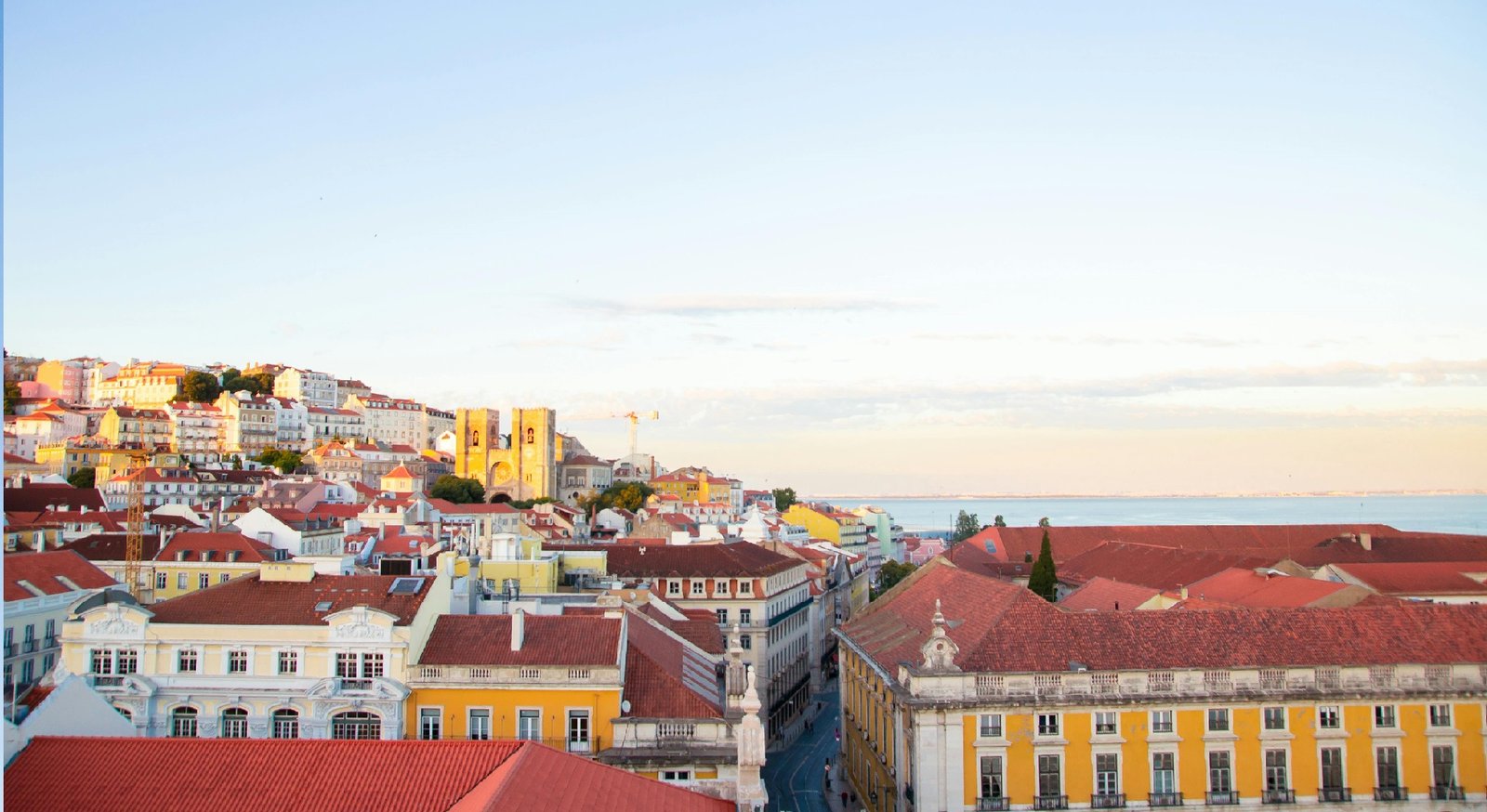
Introduction: In today's world, education plays a crucial role in determining an individual's success and socio-economic status. However, access to quality education can be influenced by various factors, including transportation. In this blog post, we will explore the role of cars in education, focusing on the differences between Cameroon and Lisbon, Portugal. Cars in Education in Cameroon: In Cameroon, a country in Central Africa, access to education can be a challenge due to inadequate infrastructure and transportation systems. Many students have to walk long distances to reach schools, especially in rural areas where public transportation is limited. The lack of reliable transportation options can hinder students' ability to attend school regularly and on time, impacting their academic performance. In this context, cars can play a significant role in improving access to education in Cameroon. For families who can afford a car or have access to reliable transportation, children have a better chance of attending school regularly and participating in extracurricular activities. Cars can also facilitate access to higher education institutions located in urban areas, opening up more opportunities for students to pursue advanced studies and professional careers. Education in Lisbon, Portugal: On the other hand, Lisbon, the capital city of Portugal, benefits from a well-developed transportation infrastructure that includes a network of buses, trams, and a metro system. The city is known for its efficient public transportation system, making it easier for students to commute to schools and universities across the city. As a result, the reliance on cars for education purposes is significantly lower compared to countries like Cameroon. In Lisbon, cars are more commonly used for personal transportation rather than for commuting to educational institutions. Students in Lisbon have the option to use public transportation, walk, or cycle to school, depending on their proximity to educational facilities. This ease of access to education contributes to higher attendance rates and better academic outcomes among students in Lisbon compared to regions with limited transportation options. Conclusion: In conclusion, the role of cars in education varies between countries like Cameroon and Lisbon, Portugal, depending on the availability and reliability of transportation infrastructure. While cars can significantly improve access to education in regions with limited transportation options, cities like Lisbon demonstrate that well-developed public transportation systems can also facilitate easy access to educational institutions. As we strive to enhance education globally, it is essential to consider the impact of transportation on students' ability to access quality education and create more inclusive and equitable learning environments. also for more https://www.qqhbo.com
Leave a Comment:
SEARCH
Recent News
- Zurich is a vibrant city located in Switzerland and is well-known for its picturesque landscapes, rich history, and bustling business scene. The Spanish community in Zurich has been thriving, with many top companies from Spain making their mark in the city. These companies have not only contributed to the economy of Zurich but have also added diversity and innovation to the local business environment.
- Zurich, Switzerland is a vibrant city known for its stunning architecture, picturesque landscapes, and rich culture. One aspect of Zurich's cultural scene that often goes under the radar is its regional music. The city and its surrounding areas are home to a diverse range of musical styles, reflecting the multiculturalism and artistic diversity of the region.
- Top 5 Zurich Regional Movies You Must Watch
- Zurich, Switzerland: A Culinary Journey through Regional Cuisine
- Zurich, Switzerland is known for its rich culture and traditions, including traditional regional clothing that reflects the area's history and heritage. Swiss traditional clothing varies by region, with each area having its own unique style and designs. In Zurich, traditional Swiss clothing showcases a blend of functionality, craftsmanship, and aesthetics.
- Exploring Zurich: A Taste of Latin America in Switzerland
- Zurich, Switzerland is a vibrant city known for its stunning architecture, picturesque landscapes, and diverse culinary scene. While Swiss cuisine certainly holds a special place in the hearts of many locals and visitors, the city also boasts a variety of international dining options, including Latin American food.
- Zurich, Switzerland is a vibrant city known for its picturesque surroundings, high quality of life, and thriving multicultural community. Among the various expatriate communities that call Zurich home, the Latin American community stands out for its rich culture, lively traditions, and strong sense of community bonding.
READ MORE
1 year ago Category :

Zurich is a vibrant city located in Switzerland and is well-known for its picturesque landscapes, rich history, and bustling business scene. The Spanish community in Zurich has been thriving, with many top companies from Spain making their mark in the city. These companies have not only contributed to the economy of Zurich but have also added diversity and innovation to the local business environment.
Read More →1 year ago Category :

Zurich, Switzerland is a vibrant city known for its stunning architecture, picturesque landscapes, and rich culture. One aspect of Zurich's cultural scene that often goes under the radar is its regional music. The city and its surrounding areas are home to a diverse range of musical styles, reflecting the multiculturalism and artistic diversity of the region.
Read More →1 year ago Category :

Top 5 Zurich Regional Movies You Must Watch
Read More →1 year ago Category :
