The Intriguing Intersection of Cars, Conflicts in History, and Lisbon, Portugal
Category : | Sub Category : Posted on 2024-10-05 22:25:23
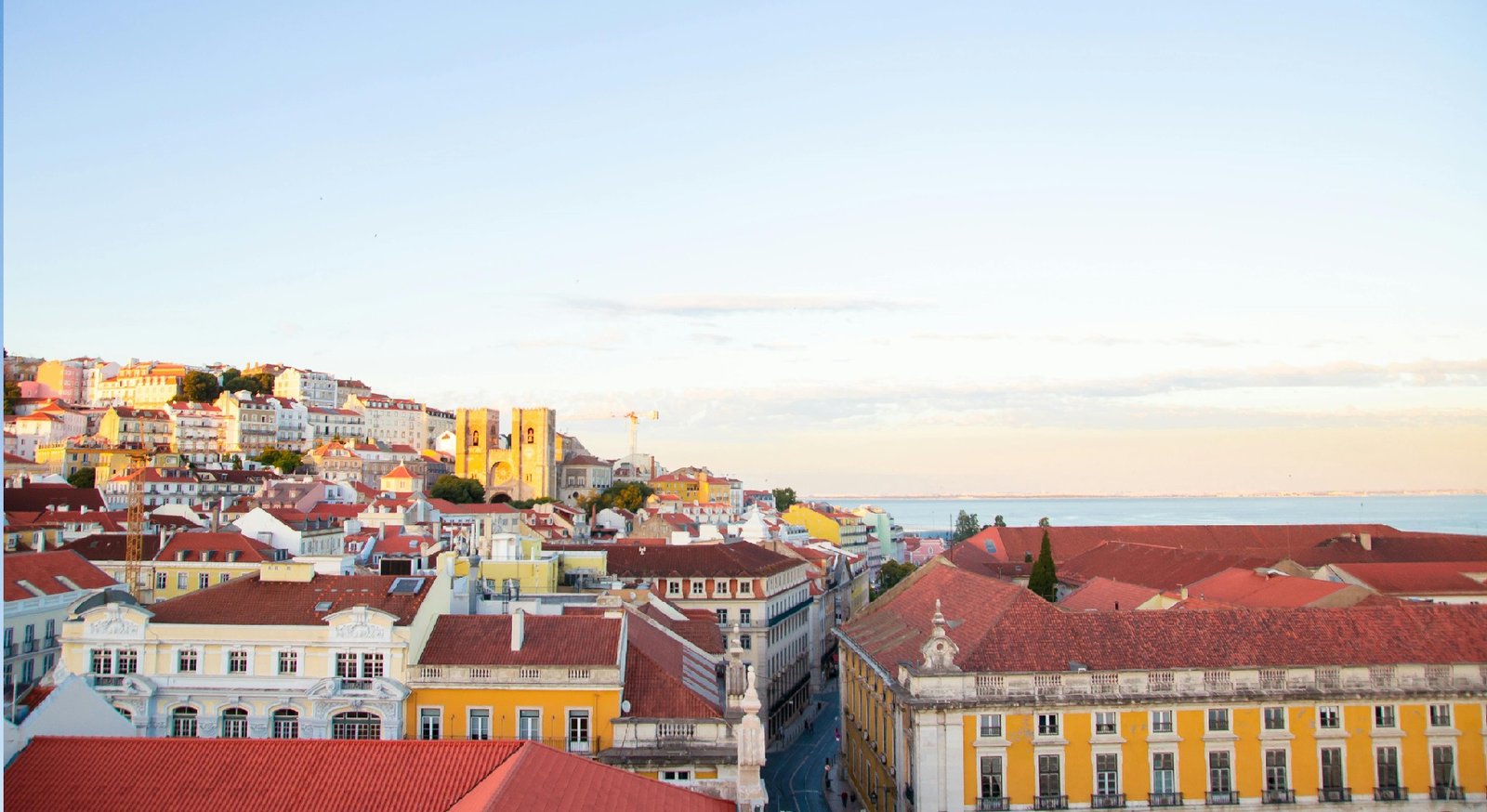
Lisbon, the mesmerizing capital city of Portugal, is a place where history, culture, and modernity intersect in a truly unique way. As one strolls through its narrow cobblestone streets and gazes upon its stunning historic architecture, it's easy to become enchanted by the old-world charm of this beautiful city. However, beneath its picturesque surface lies a complex history marked by conflicts and conquests that have shaped the city into what it is today. One fascinating aspect of Lisbon's history is its connection to cars. The introduction of automobiles to the city brought about both progress and challenges. In the early 20th century, cars started to populate the streets of Lisbon, offering a new means of transportation that revolutionized the way people moved around the city. Suddenly, distances that were once insurmountable became easily reachable, opening up new possibilities for trade, travel, and communication. However, the influx of cars also brought about its own set of conflicts. The narrow, winding streets of Lisbon were not designed to accommodate large vehicles, leading to congestion and traffic jams that frustrated both drivers and pedestrians. The clash between old-world architecture and modern technology created a unique juxtaposition that continues to define Lisbon's urban landscape to this day. Moreover, cars played a significant role in some of the conflicts that have marked Lisbon's history. During the tumultuous years of the 20th century, cars were used as tools of warfare and revolution, driving through the streets as symbols of power and resistance. The echoes of past conflicts can still be felt in the city, adding an extra layer of depth to its already rich tapestry of history. Today, Lisbon continues to grapple with the challenges posed by cars in a rapidly changing world. As the city strives to balance modernity with preservation, it faces tough decisions regarding transportation infrastructure, urban planning, and environmental sustainability. The push towards greener, more sustainable modes of transportation has led to initiatives promoting public transport, cycling, and pedestrian-friendly spaces, aiming to reduce congestion and pollution while preserving the city's unique character. In conclusion, the intricate relationship between cars, conflicts in history, and the city of Lisbon, Portugal, offers a fascinating glimpse into the complexities of urban development and cultural heritage. As Lisbon continues to evolve and adapt to the demands of the modern world, it remains a captivating destination where the past and the present come together in a harmonious blend of tradition and innovation. For comprehensive coverage, check out https://www.qqhbo.com
Leave a Comment:
SEARCH
Recent News
- Zurich is a vibrant city located in Switzerland and is well-known for its picturesque landscapes, rich history, and bustling business scene. The Spanish community in Zurich has been thriving, with many top companies from Spain making their mark in the city. These companies have not only contributed to the economy of Zurich but have also added diversity and innovation to the local business environment.
- Zurich, Switzerland is a vibrant city known for its stunning architecture, picturesque landscapes, and rich culture. One aspect of Zurich's cultural scene that often goes under the radar is its regional music. The city and its surrounding areas are home to a diverse range of musical styles, reflecting the multiculturalism and artistic diversity of the region.
- Top 5 Zurich Regional Movies You Must Watch
- Zurich, Switzerland: A Culinary Journey through Regional Cuisine
- Zurich, Switzerland is known for its rich culture and traditions, including traditional regional clothing that reflects the area's history and heritage. Swiss traditional clothing varies by region, with each area having its own unique style and designs. In Zurich, traditional Swiss clothing showcases a blend of functionality, craftsmanship, and aesthetics.
- Exploring Zurich: A Taste of Latin America in Switzerland
- Zurich, Switzerland is a vibrant city known for its stunning architecture, picturesque landscapes, and diverse culinary scene. While Swiss cuisine certainly holds a special place in the hearts of many locals and visitors, the city also boasts a variety of international dining options, including Latin American food.
- Zurich, Switzerland is a vibrant city known for its picturesque surroundings, high quality of life, and thriving multicultural community. Among the various expatriate communities that call Zurich home, the Latin American community stands out for its rich culture, lively traditions, and strong sense of community bonding.
READ MORE
1 year ago Category :

Zurich is a vibrant city located in Switzerland and is well-known for its picturesque landscapes, rich history, and bustling business scene. The Spanish community in Zurich has been thriving, with many top companies from Spain making their mark in the city. These companies have not only contributed to the economy of Zurich but have also added diversity and innovation to the local business environment.
Read More →1 year ago Category :

Zurich, Switzerland is a vibrant city known for its stunning architecture, picturesque landscapes, and rich culture. One aspect of Zurich's cultural scene that often goes under the radar is its regional music. The city and its surrounding areas are home to a diverse range of musical styles, reflecting the multiculturalism and artistic diversity of the region.
Read More →1 year ago Category :

Top 5 Zurich Regional Movies You Must Watch
Read More →1 year ago Category :
